


Spotting Cat Arthritis: Key Symptoms to Watch

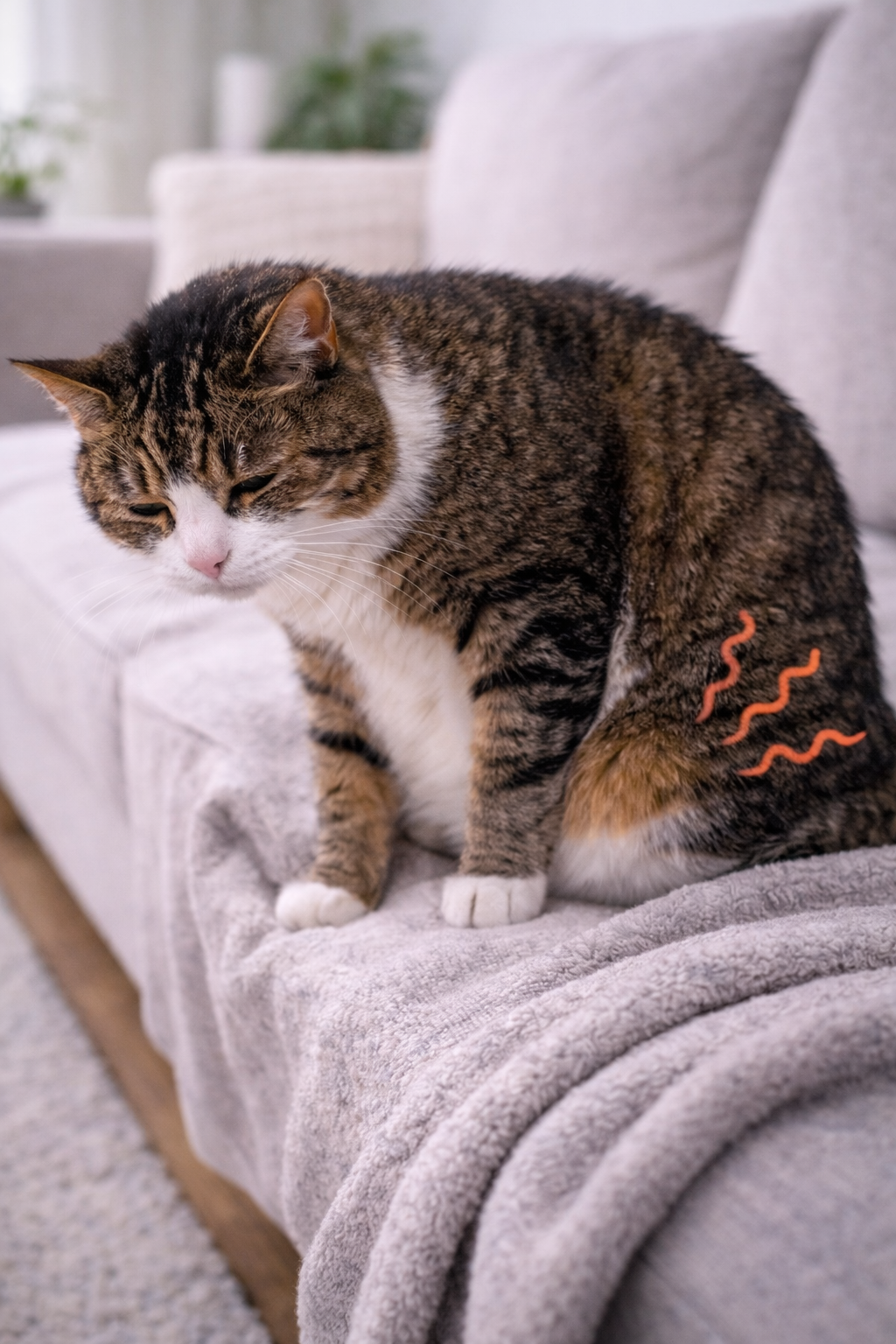
Arthritis, a condition characterized by inflammation of the joints, is not exclusive to humans; it also affects our feline companions. As cats age, they may develop arthritis, leading to discomfort and decreased mobility. It’s essential for cat owners to recognize the signs of arthritis early to manage the condition effectively and help maintain their pet’s quality of life.
The Causes of Arthritis in Cats
Arthritis in cats can be caused by a variety of factors, including:
Age
Just like humans, cats are more prone to developing arthritis as they age. The wear and tear on their joints over the years can lead to the development of this condition.
Genetics
Certain breeds are more predisposed to arthritis due to their genetic makeup. For example, breeds like the Maine Coon and Siamese may have a higher risk.
Obesity
Excess weight places additional stress on a cat’s joints, which can accelerate the development of arthritis.
Injury
Past injuries or trauma to a cat’s joints can lead to arthritis later in life. It’s crucial to monitor any injuries your cat sustains and consult with a veterinarian for appropriate care.
Key Symptoms of Cat Arthritis
Spotting arthritis in cats can be challenging, as they are masters at hiding discomfort. However, there are specific signs that owners should be vigilant about:
Changes in Mobility
One of the most noticeable symptoms of arthritis in cats is a change in mobility. Cats may become reluctant to jump onto furniture or climb stairs. You might notice hesitance or stiffness when they attempt these activities.
Altered Gait
Cats with arthritis often develop an altered gait. They might walk with a limp or appear to be stiff when moving. Pay attention to any changes in how your cat walks or runs.
Decreased Activity Levels
A once-active cat may become less playful or energetic. Arthritis can make movement painful, leading to decreased activity levels. If your cat seems lethargic or less interested in playing, it could be a sign of joint pain.
Changes in Grooming Habits
Cats with arthritis may groom less frequently or with less thoroughness, resulting in an unkempt appearance. This change is often due to the discomfort they feel when trying to reach certain areas of their body.
Behavioral Changes
Pain can cause changes in a cat’s behavior. You might notice increased irritability, reluctance to be touched, or hiding more often. These changes can indicate your cat is experiencing discomfort.
Litter Box Issues
Cats with arthritis may have difficulty getting in and out of litter boxes, leading to accidents outside the box. If your cat starts having litter box issues, it might not be a behavioral problem but a physical one.
Diagnosing Arthritis in Cats
If you suspect your cat has arthritis, it’s vital to consult with a veterinarian. They will conduct a thorough examination and may recommend diagnostic tests, such as X-rays, to assess the condition of your cat’s joints.
Veterinary Examination
During the examination, the vet will assess your cat’s range of motion, check for joint swelling, and evaluate how your cat moves. This hands-on assessment helps in identifying arthritis.
Imaging Tests
X-rays are commonly used to diagnose arthritis, as they can reveal changes in the structure of the joints, such as bone spurs or joint space narrowing.
Managing Cat Arthritis
While arthritis is a chronic condition, there are several ways to manage it and help your cat live a comfortable life.
Weight Management
Maintaining a healthy weight is crucial for cats with arthritis. Excess weight can exacerbate joint pain and lead to further health issues. Work with your veterinarian to plan a suitable diet and exercise regimen for your cat.
Joint Supplements
Supplements like glucosamine and chondroitin can help support joint health and reduce inflammation. Consult your vet before starting any supplement regimen to ensure it’s appropriate for your cat.
Pain Management
Your veterinarian may prescribe medications to help manage your cat’s pain. Non-steroidal anti-inflammatory drugs (NSAIDs) and other pain relievers can be effective, but they must be used under veterinary supervision.
Environmental Modifications
Making changes around your home can significantly improve your cat’s quality of life. Consider providing ramps or steps to help your cat access favorite spots, using low-sided litter boxes, and ensuring your cat’s sleeping area is easily accessible.
Physical Therapy
Some cats benefit from physical therapy, which can help maintain or improve mobility. Techniques such as massage, stretching, and specific exercises can be beneficial. A veterinarian or a trained animal physiotherapist can guide you on the best practices.
Monitoring Progress
Regular check-ups with your veterinarian are essential to monitor the progression of arthritis and make necessary adjustments to your cat’s treatment plan. Keep a diary of your cat’s symptoms and any changes in behavior or mobility to discuss during these visits.
Conclusion
Spotting the signs of arthritis in cats can be challenging, but being observant and proactive can make a significant difference in managing this condition. By understanding the symptoms and seeking veterinary guidance, you can help your cat live a more comfortable and active life. Remember, early detection and intervention are key to effectively managing arthritis and improving your feline friend’s quality of life.
Additional Resources
For more information on managing cat arthritis, consider reaching out to your veterinarian or exploring resources from reputable pet health websites and organizations. They can provide valuable insights and support for caring for your arthritic cat.
#ChatGPT assisted in the creation of this article.





Post Comment