


Effective Solutions for Cat Spraying Issues
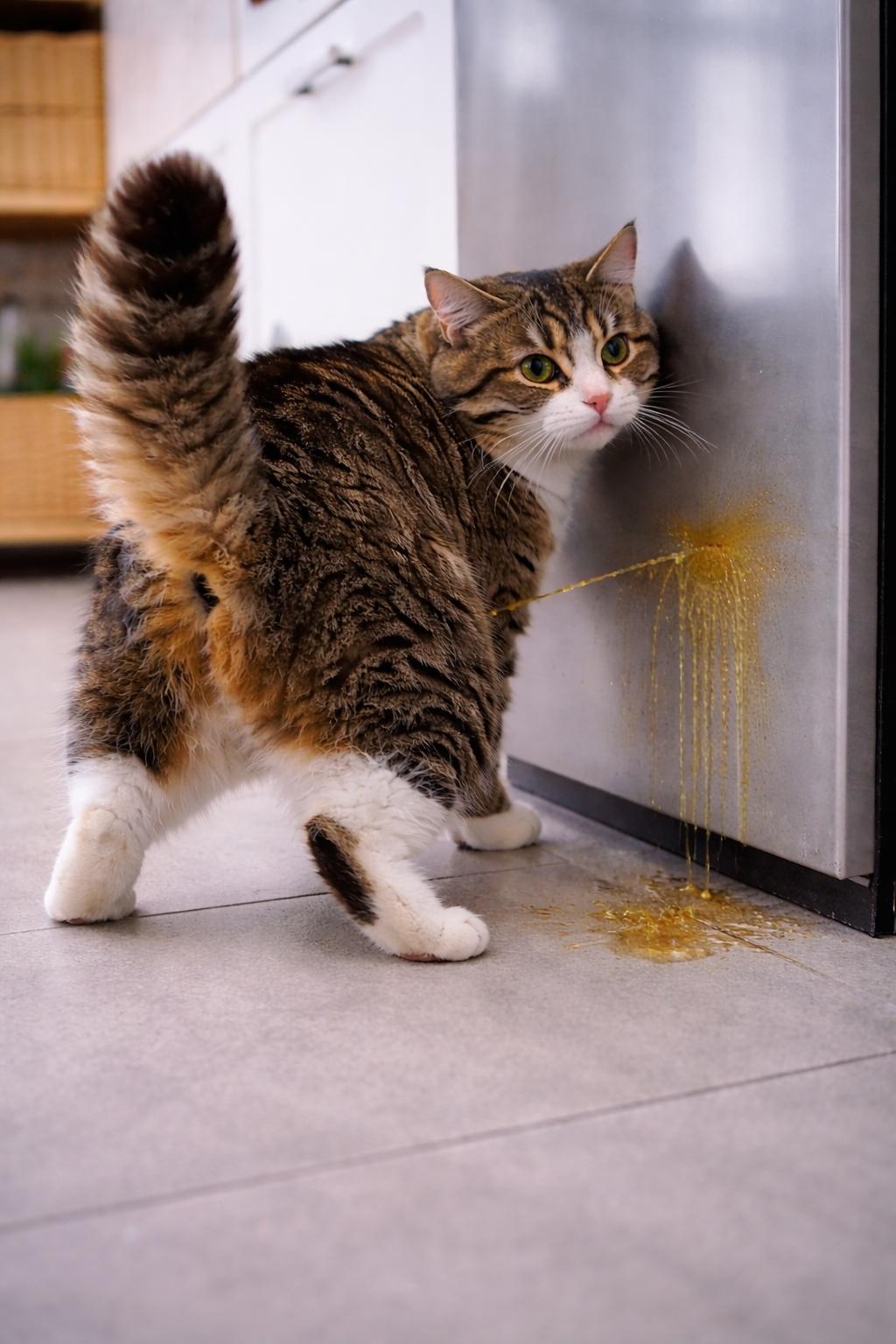
Cats are fascinating creatures, known for their independence and often mysterious behavior. However, one common issue that can perplex and frustrate cat owners is spraying. Unlike regular urination, spraying is a territorial marking behavior where a cat backs up to a vertical surface and releases a small amount of urine. This behavior can be particularly challenging, especially when it occurs indoors. Understanding the reasons behind spraying and implementing effective solutions is essential for creating a harmonious home environment.
Understanding Cat Spraying
Before addressing the problem, it is crucial to understand why cats spray. Spraying is primarily a form of communication among cats. It is their way of marking territory, expressing anxiety, or responding to environmental changes. Both male and female cats can spray, though it is more common in males, particularly those who are unneutered. Hormones play a significant role, but even neutered cats may spray due to stress or behavioral issues.
Common Triggers for Spraying
Territorial Marking
Cats are territorial animals, and spraying serves as a way to mark their domain. This behavior is often triggered by the presence of other cats, whether inside the home or in the surrounding area. Cats may spray near windows or doors where they observe other animals.
Stress and Anxiety
Changes in a cat’s environment, such as moving to a new home, the arrival of a new pet or family member, or even rearranging furniture, can cause stress and anxiety. Cats may resort to spraying as a coping mechanism to deal with these changes.
Mating Behavior
Unneutered male cats are particularly prone to spraying as part of their mating behavior. The scent left behind serves to attract females and ward off potential rival males.
Medical Issues
Sometimes, spraying can be a sign of an underlying medical issue such as urinary tract infections or bladder problems. If a cat begins to spray suddenly, it is important to rule out any health problems by consulting a veterinarian.
Effective Solutions for Spraying
Addressing cat spraying requires a multifaceted approach that considers behavioral, environmental, and medical factors. Here are some effective solutions:
Neutering/Spaying
One of the most effective ways to reduce spraying is to neuter or spay your cat. This procedure greatly reduces the influence of hormones that drive the behavior, particularly in male cats. Ideally, cats should be neutered or spayed before they reach sexual maturity, around 4 to 6 months of age.
Environmental Enrichment
Providing an enriching environment can help reduce stress and discourage spraying. Ensure your cat has plenty of toys, scratching posts, and interactive playtime. Creating vertical spaces, like cat trees or shelves, allows cats to explore and claim their territory without resorting to spraying.
Addressing Stressors
Identify and address potential stressors in your cat’s environment. Gradually introduce new pets or family members, maintain a consistent routine, and provide safe spaces where your cat can retreat and feel secure. Pheromone diffusers, such as Feliway, can also help create a calming atmosphere.
Litter Box Management
Ensure that your cat’s litter box is clean and accessible. Some cats may spray if they are unhappy with their litter box situation. Provide one litter box per cat, plus one extra, and keep them in quiet, low-traffic areas.
Medical Intervention
If behavioral solutions do not resolve the issue, consult a veterinarian. They can rule out medical problems and may prescribe medication or recommend behavioral therapy to address anxiety or other issues contributing to spraying.
Preventive Measures
While addressing existing spraying behavior is essential, implementing preventive measures can help avoid future issues.
Early Socialization
Early socialization helps cats become well-adjusted adults. Exposing kittens to various people, animals, and environments can reduce the likelihood of stress-induced spraying later in life.
Regular Vet Check-ups
Regular veterinary check-ups can catch potential health issues early, preventing spraying behavior related to medical conditions. Keep vaccinations and parasite control up to date.
Proper Introduction of New Pets
When introducing new pets, do so gradually and under controlled conditions. Allow your cat to adjust at their own pace to minimize stress and territorial disputes.
Conclusion
Cat spraying can be a challenging issue for pet owners, but with patience and the right approach, it can be managed effectively. Understanding the underlying causes, addressing environmental and behavioral factors, and seeking veterinary advice when necessary are key steps in resolving spraying behavior. By taking preventive measures and providing a supportive environment, cat owners can help their feline companions feel secure and reduce the likelihood of spraying in the future. With dedication and understanding, it is possible to maintain a peaceful and clean home while enjoying the companionship of a happy, well-adjusted cat.
#ChatGPT assisted in the creation of this article.


Post Comment