


Spotting Subtle Signs of Pain in Cats
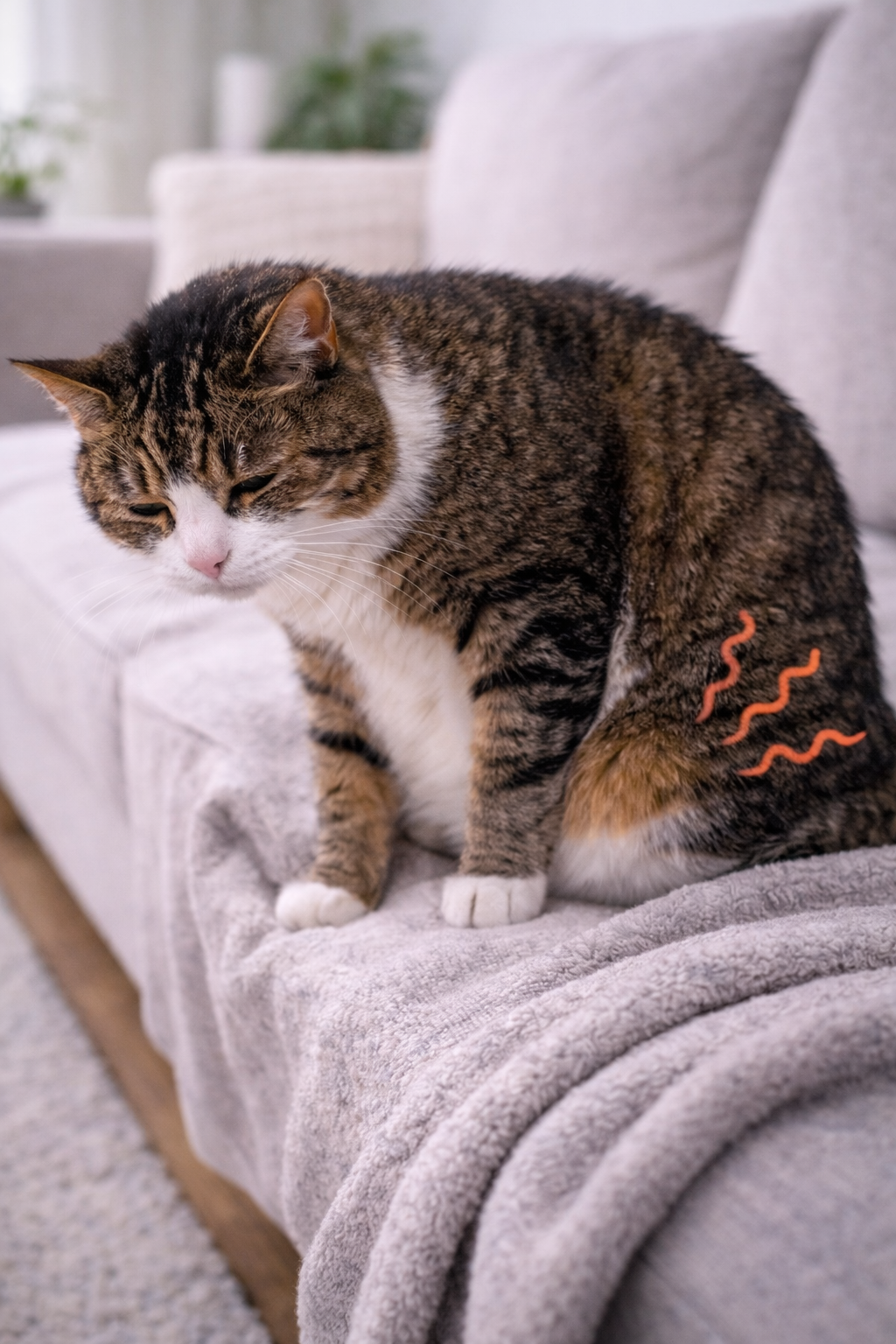
Cats are known for their independence and often mysterious nature. As such, they can be masters at hiding discomfort and pain. This trait, while beneficial in the wild to avoid predators, can pose challenges for cat owners in determining when their feline companions are in distress. Spotting subtle signs of pain early can lead to prompt medical attention and can improve the quality of life for your cat. This article will explore various signs that may indicate your cat is in pain, and what you can do to help.
Understanding Feline Behavior
Before diving into specific signs of pain, it’s essential to understand normal feline behavior. Cats are creatures of habit, and they thrive on routine. Any deviation from their usual behavior could be an indicator that something is wrong. Understanding your cat’s baseline behavior will enable you to spot changes more quickly.
Changes in Activity Level
A change in your cat’s activity level can be one of the more noticeable signs of discomfort or pain. Cats who are typically active may become lethargic, while less active cats may suddenly become restless. This change can manifest as a reluctance to jump, climb, or engage in play. It could indicate pain in the joints, muscles, or other areas.
Altered Grooming Habits
Cats are meticulous groomers. A cat in pain may groom less often due to discomfort or may over-groom a specific area that is painful. This can result in matted fur or bald patches. Pay close attention to these changes as they can point to areas of discomfort or underlying skin issues.
Changes in Appetite and Weight
Pain can affect a cat’s appetite and lead to weight loss. Conversely, some cats may eat more when stressed or in discomfort. Monitor any significant changes in your cat’s eating habits, as these could be indicative of dental pain, gastrointestinal issues, or other health problems.
Vocalization
While cats are generally quieter animals, a cat in pain may exhibit changes in vocalization. This can include increased meowing, growling, or even a lack of usual sounds. Cats may vocalize more when they move or are touched, indicating that these actions cause discomfort.
Changes in Litter Box Habits
Altered litter box habits can be a red flag for pain. A cat in pain may have difficulty getting into or out of the litter box, leading to accidents outside the box. Straining to urinate or defecate, or making frequent trips to the litter box, can also signal pain and should be addressed by a veterinarian promptly.
Hiding or Aggressive Behavior
Cats in pain may hide more often or become aggressive. If your typically sociable cat suddenly seeks solitude or hisses and bites when approached, it might be experiencing pain. This behavior is an instinctive reaction to protect themselves when they feel vulnerable.
Posture and Facial Expressions
Observe your cat’s posture and facial expressions. A cat in pain may exhibit a hunched back, a tucked-in abdomen, or a lowered head. Their eyes might appear squinted, and their ears could be flattened against their head. These subtle changes can be insightful indicators of discomfort.
What to Do If You Suspect Your Cat is in Pain
If you notice any of the above signs, it’s crucial to consult with a veterinarian. Provide them with detailed observations about your cat’s behavior and any changes you have noticed. Vets can perform a thorough examination and may recommend diagnostic tests to determine the cause of the pain.
Pain Management and Treatment
Treatment will depend on the underlying cause of the pain. It could involve medication, changes in diet, or modifications to your cat’s environment to make them more comfortable. Always follow your vet’s instructions when administering medication and never give human painkillers to cats, as they can be toxic.
Preventing Pain in Cats
While not all pain can be prevented, regular veterinary check-ups are essential in maintaining your cat’s health. Ensure your cat has a balanced diet, regular exercise, and a stress-free environment. Keep an eye on their dental health, as dental issues are a common source of pain.
Conclusion
Recognizing subtle signs of pain in cats can be challenging, but it is an essential skill for any cat owner. By being observant and proactive, you can ensure your feline friend receives the care they need to live a comfortable and happy life. Remember, when in doubt, consult with a veterinarian to address any concerns you may have about your cat’s health and well-being.
#ChatGPT assisted in the creation of this article.






Post Comment