


Signs Your Cat May Be Nearing End of Life

Caring for a cat throughout its life is a fulfilling journey filled with joy, companionship, and mutual affection. However, as cats approach the end of their life, it can be a challenging time for pet owners. Recognizing the signs that your cat may be nearing the end of its life can help you provide the best possible care and comfort during its final days. This article aims to provide insight into the common signs indicating that a cat may be nearing the end of its life and how you can support your feline friend during this time.
Recognizing the Signs
Decreased Appetite and Thirst
A significant decrease in appetite and thirst is often one of the first signs that a cat’s health is declining. Cats nearing the end of life may show little interest in food or water due to decreased metabolic rates and changes in organ function. It’s crucial to monitor your cat’s eating and drinking habits and consult with your veterinarian if you notice significant changes.
Weight Loss
As appetite decreases, weight loss often follows. Even if your cat continues to eat, it may still lose weight due to underlying health conditions that affect nutrient absorption. Weight loss in senior cats can lead to muscle wasting and weakness, making it challenging for them to move around or engage in activities they once enjoyed.
Reduced Mobility
Older cats or those nearing the end of life often experience reduced mobility due to joint pain, arthritis, or muscle wasting. You may notice your cat struggling to jump onto furniture, climb stairs, or even walk. Providing soft bedding and easy access to litter boxes, food, and water can help alleviate some of these challenges.
Changes in Grooming Habits
Cats are typically meticulous groomers, but as they age or become ill, they may neglect grooming. This can result in an unkempt appearance, matted fur, or skin conditions. Cats with health issues may also experience an increase in dandruff or oily fur. Regular grooming sessions with gentle brushing can help keep your cat comfortable.
Changes in Sleep Patterns
Cats nearing the end of life may sleep more than usual due to low energy levels and general fatigue. While cats are naturally inclined to sleep a lot, excessive sleeping, especially during times when they were previously active, can be a sign of declining health. Monitor your cat’s sleep patterns and consult with a veterinarian if you notice significant changes.
Behavioral Changes
Behavioral changes can also be indicative of a cat’s declining health. Cats nearing the end of life may become more withdrawn, irritable, or less interested in interacting with their owners. Conversely, some cats may become unusually clingy and seek constant companionship. Understanding your cat’s behavior and responding with patience and compassion is essential.
Breathing Difficulties
Respiratory issues can occur in cats with declining health. You may notice labored breathing, shallow breaths, or prolonged pauses between breaths. These symptoms should be addressed promptly, as they can indicate severe health conditions such as heart or lung disease. Consult with a veterinarian if you notice any breathing difficulties in your cat.
Pain and Discomfort
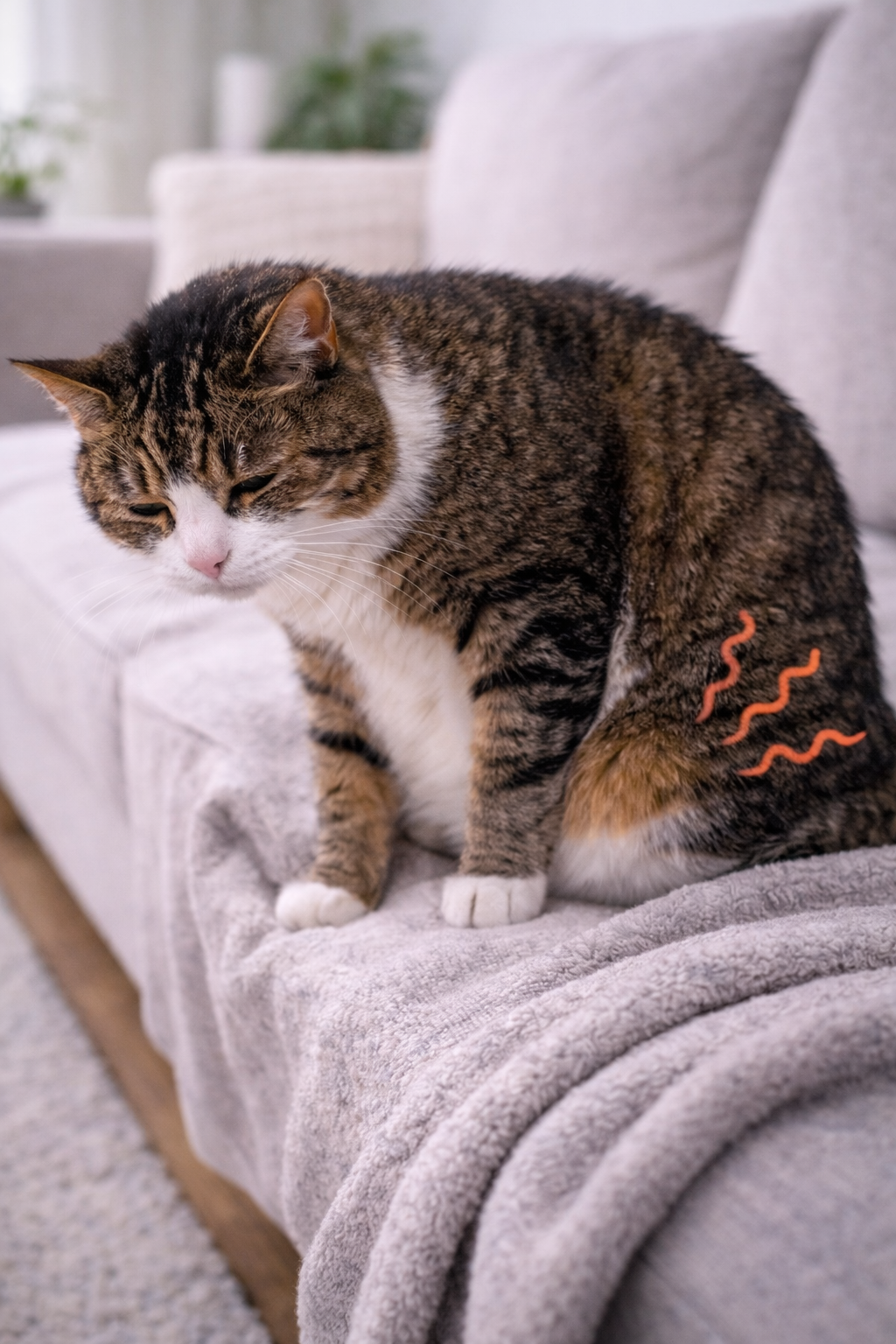
Cats nearing the end of life may experience pain and discomfort due to various health conditions. Signs of pain can include vocalizing, restlessness, hiding, or changes in posture. Pain management, under the guidance of a veterinarian, is crucial in ensuring your cat’s comfort during its final days.
Supporting Your Cat During End of Life
Consulting with a Veterinarian
If you notice any of the signs discussed above, it’s essential to consult with a veterinarian. They can assess your cat’s condition, provide a diagnosis, and recommend a care plan tailored to your cat’s needs. Regular check-ups and open communication with your vet will help you make informed decisions about your cat’s care.
Providing Comfort and Quality of Life
Ensuring your cat’s comfort and maintaining its quality of life is a priority during this time. Create a peaceful and quiet environment, and provide soft, warm bedding for your cat to rest. Ensure that your cat has easy access to food, water, and litter boxes, and minimize any potential stressors in the home.
Pain Management
Pain management is a critical aspect of end-of-life care. Your veterinarian can prescribe medications to alleviate pain and discomfort, allowing your cat to rest more comfortably. Pain management not only improves your cat’s quality of life but also helps maintain its dignity during its final days.
Emotional Support
Your presence and companionship can be incredibly comforting to your cat. Spend quality time with your cat, offering gentle affection and reassurance. Each cat is unique, so pay attention to its cues and provide the level of interaction it desires.
End-of-Life Decisions
Knowing When to Say Goodbye
Making the decision to euthanize a beloved pet is one of the most challenging aspects of pet ownership. It is essential to consider your cat’s quality of life and consult with your veterinarian to make an informed decision. Assess factors such as pain, mobility, and overall comfort to determine whether euthanasia is the most compassionate option for your cat.
The Grieving Process
The loss of a pet can be a profound and emotional experience. Allow yourself time to grieve and seek support from friends, family, or pet loss support groups. Remember that it is normal to feel a range of emotions, and reaching out for help is a healthy part of the grieving process.
Conclusion
Recognizing the signs that your cat may be nearing the end of its life is crucial in providing compassionate care and ensuring its comfort during its final days. Observing changes in appetite, mobility, grooming habits, and behavior can help you identify when your cat’s health is declining. By consulting with a veterinarian and focusing on comfort and quality of life, you can support your cat through this difficult time. Ultimately, the love and care you provide will be a testament to the bond you shared with your feline companion.
#ChatGPT assisted in the creation of this article.





Post Comment