


Optimal Cat Feeding: Determine the Right Portion Size
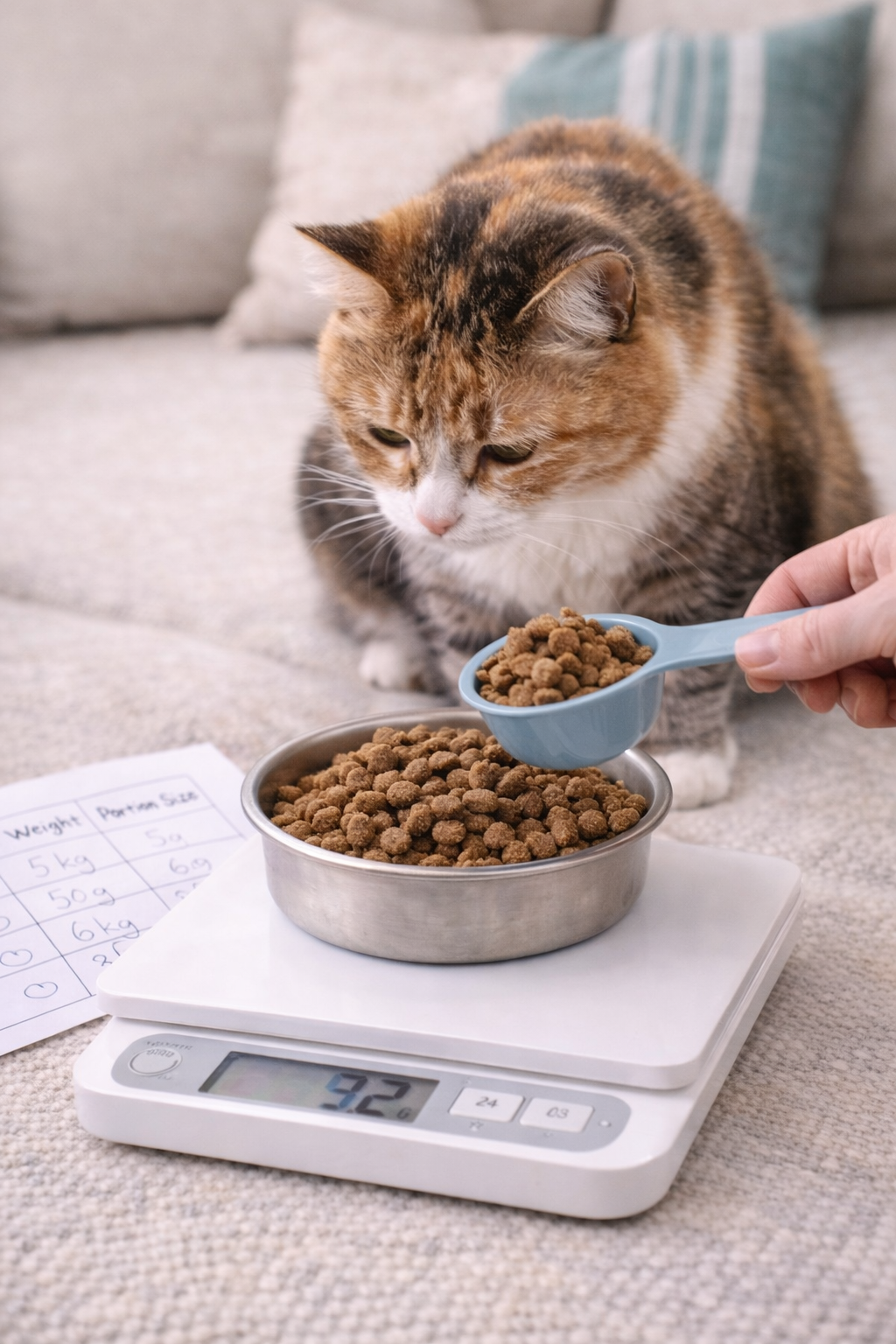
Feeding your cat the right portion size is crucial for maintaining their
health and well-being. Cats are obligate carnivores with unique dietary
needs, and ensuring they receive the appropriate amount of food is key to
preventing obesity, malnutrition, and other health-related issues. This
article will guide you through the factors to consider when determining
the optimal portion size for your feline friend, including age, weight,
activity level, health status, and more.
Understanding Your Cat’s Nutritional Needs
Before determining the right portion size, it is essential to understand
your cat’s basic nutritional requirements. Cats need a diet rich in
protein and fat, with minimal carbohydrates. Essential nutrients such as
taurine, arginine, arachidonic acid, and certain vitamins and minerals
must be included in their diet to support various bodily functions.
Commercial cat foods are typically formulated to meet these needs, but
portion sizes can vary depending on the brand and specific formulation.
Factors Influencing Portion Size
Age
A cat’s age significantly impacts its dietary needs. Kittens require more
calories and nutrients for growth and development compared to adult or
senior cats. Kittens should be fed multiple small meals throughout the
day, while adult cats may be fed two to three times daily. Senior cats
might need adjustments in portion size due to changes in metabolism and
activity levels.
Weight and Body Condition
Your cat’s weight and body condition are critical in determining the right
portion size. A healthy body condition score (BCS) for cats ranges from 4
to 5 on a 9-point scale. Cats with a BCS of less than 4 may need larger
portions to gain weight, while those with a BCS of 6 or higher may require
smaller portions to prevent obesity. Regularly monitoring your cat’s
weight and adjusting their food intake accordingly is essential.
Activity Level
A cat’s activity level is another crucial factor in determining portion
size. Active cats that engage in regular play and exercise require more
calories than sedentary cats. Indoor cats tend to be less active and may
need fewer calories compared to outdoor cats who roam and hunt. Tailoring
portion sizes to match your cat’s activity level ensures they receive
adequate energy without overeating.
Health Status
Health issues can influence a cat’s dietary needs and portion sizes. Cats
with conditions such as diabetes, kidney disease, or hyperthyroidism may
require special diets and adjusted portion sizes. Always consult with your
veterinarian if your cat has a health condition that might affect their
nutritional requirements.
Calculating Portion Sizes
Calculating the correct portion size involves considering the factors
mentioned above and using feeding guidelines provided by cat food
manufacturers. These guidelines are typically based on an average cat’s
weight and activity level. However, it is important to remember that these
are general recommendations and may need adjustments based on individual
needs.
To calculate the appropriate portion size, start by determining your cat’s
daily caloric needs. The average adult cat weighing around 10 pounds
requires approximately 200-250 calories per day. Kittens and active cats
may need more, while seniors and less active cats may need less.
Once you know your cat’s caloric needs, check the nutrition label on your
cat food packaging. This will help you determine how much food to provide
to meet those caloric needs. Divide the total daily portion into the
number of meals you plan to feed your cat each day.
Monitoring and Adjusting Portion Sizes
Regularly monitoring your cat’s weight and body condition is essential for
ensuring they maintain a healthy weight. Weigh your cat every few weeks
and adjust their portion sizes if you notice any significant changes in
weight or body condition. Additionally, observe your cat’s behavior and
energy levels. If they seem lethargic or overly hungry, it might be
necessary to reevaluate their portion sizes.
Common Mistakes in Cat Feeding
Avoiding common mistakes in cat feeding is essential for maintaining your
cat’s health. Overfeeding can lead to obesity, while underfeeding can
result in malnutrition. Free-feeding, or leaving food out all day, can
also contribute to overeating and weight gain. Instead, establish regular
feeding times and stick to a routine to help manage your cat’s weight and
prevent overeating.
Ignoring Treat Calories
Treats are a popular way to reward and bond with your cat, but they can
add up quickly in terms of calories. Treats should make up no more than
10% of your cat’s daily caloric intake. Be mindful of the calories
contained in treats and adjust your cat’s regular meals accordingly to
avoid overfeeding.
Not Considering Wet vs. Dry Food
The type of food you feed your cat can also impact portion sizes. Wet food
typically contains more moisture and fewer calories per serving compared
to dry food. As a result, portion sizes for wet food may be larger than
those for dry food. Always refer to the feeding guidelines specific to the
type of food you’re providing and adjust portion sizes as needed.
Feeding Human Food
While it may be tempting to share your meals with your cat, human food is
often not nutritionally balanced for feline consumption. Some human foods
can be harmful or toxic to cats, so it’s best to stick to a diet
formulated specifically for them. If you choose to offer human food as an
occasional treat, ensure it’s safe and adjust their regular meals to
account for the additional calories.
Conclusion
Determining the right portion size for your cat is a crucial aspect of
responsible pet ownership. By considering factors such as age, weight,
activity level, and health status, you can tailor your cat’s diet to meet
their individual needs. Regularly monitoring your cat’s weight and body
condition, along with consulting your veterinarian when necessary, will
help ensure your feline friend remains healthy and happy. By avoiding
common feeding mistakes and providing a balanced diet, you can support
your cat’s overall well-being and longevity.
#ChatGPT assisted in the creation of this article.


Post Comment