


Top Emergency Signs Your Cat Needs Immediate Care
Cats are often seen as independent and resilient creatures, leading many pet owners to overlook or misinterpret signs of distress. However, like any living being, they can experience sudden health crises that require immediate veterinary attention. Understanding these emergency signs can make a significant difference in the outcome of your cat’s health. This article explores the top signs that indicate your cat needs immediate care, helping you act promptly to ensure their well-being.
Difficulty Breathing
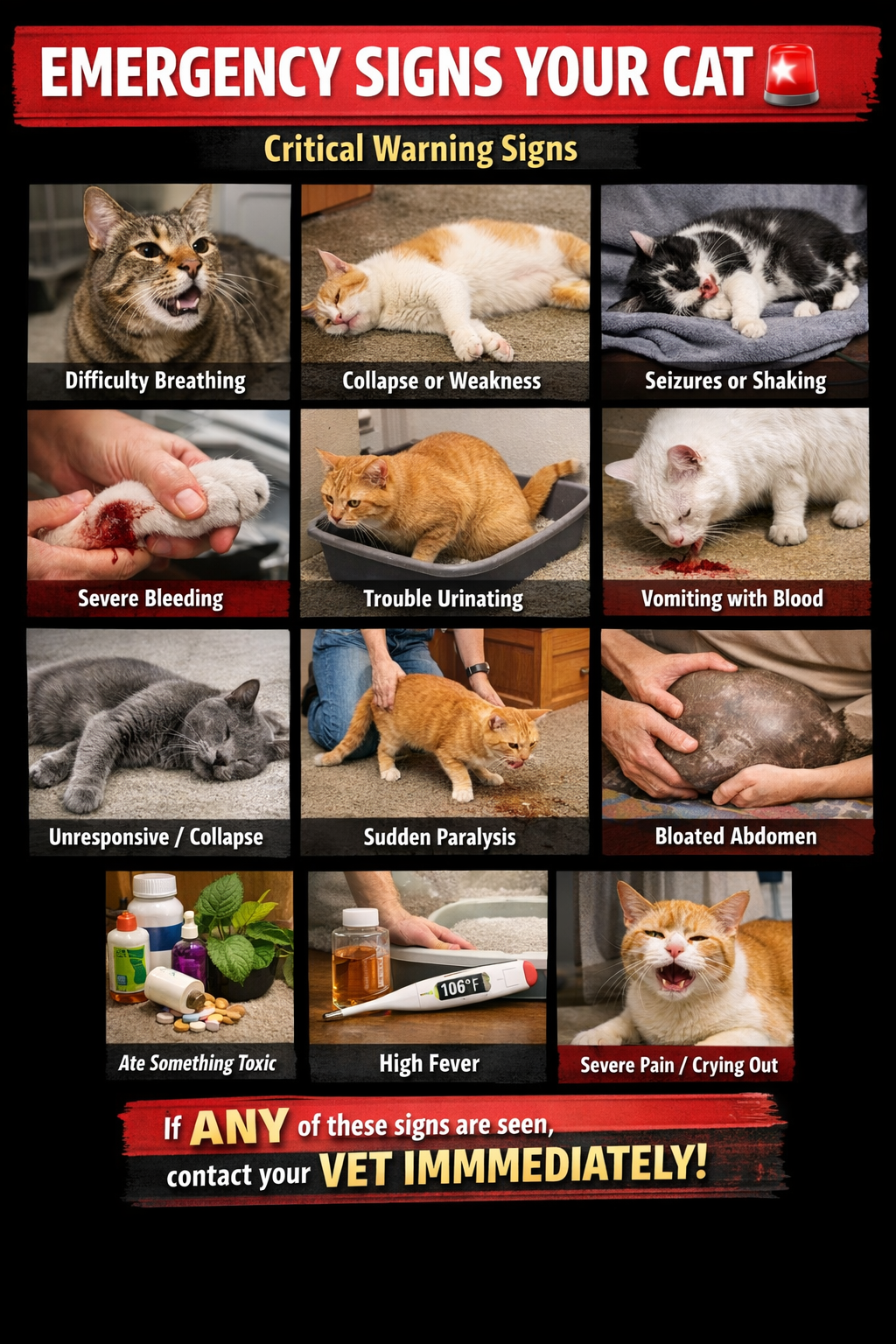
Breathing difficulties in cats can manifest in various ways, such as rapid breathing, wheezing, or labored breaths. Such symptoms can indicate a range of serious conditions, including asthma, heart disease, or respiratory infections. If your cat is open-mouth breathing or its chest and belly are moving excessively, it’s crucial to seek veterinary care immediately. Cats are adept at hiding respiratory issues until they become severe, so quick action is essential.
Sudden Lethargy or Collapse
Cats are known for their playful and curious nature, so a sudden change in energy levels can be concerning. If your cat becomes unusually lethargic, refuses to move, or collapses, it may be experiencing a severe underlying health issue. Conditions such as heart failure, poisoning, or severe dehydration can cause these symptoms. Immediate veterinary evaluation is necessary to determine the cause and initiate treatment.
Uncontrolled Bleeding
Bleeding that does not stop after a few minutes is an emergency. Whether it is external, such as from a wound, or internal, indicated by pale gums and weakness, it requires immediate attention. Cats have a limited blood volume, and significant blood loss can quickly become life-threatening. Direct pressure on wounds can help control bleeding until you reach the veterinarian.
Persistent Vomiting or Diarrhea
Occasional vomiting or diarrhea can occur in cats for benign reasons, such as hairballs. However, persistent or severe episodes, especially if accompanied by blood, can indicate serious conditions like intestinal blockages, toxins, or infections. Chronic vomiting or diarrhea can lead to rapid dehydration and electrolyte imbalances, making it imperative to seek veterinary care without delay.
Inability to Urinate or Defecate
A cat straining to urinate or defecate, or unable to do so, is experiencing a medical emergency. Urinary blockages, more common in male cats, can lead to kidney failure and death if not treated promptly. Constipation can also indicate severe underlying issues. If you notice your cat repeatedly visiting the litter box without producing urine or feces, contact your veterinarian immediately.
Severe Injury or Trauma
Accidents such as falls, car accidents, or attacks from other animals can result in severe injuries that require immediate veterinary attention. Even if your cat appears to be fine, internal injuries can go unnoticed and lead to complications later. Always seek a professional evaluation following any traumatic event to rule out serious injuries.
Seizures
Seizures in cats can be caused by a variety of issues, including epilepsy, toxins, or brain disorders. A cat experiencing a seizure may exhibit symptoms such as twitching, drooling, or loss of consciousness. While a single seizure may not be life-threatening, cluster seizures or prolonged episodes can cause brain damage or other complications. Immediate veterinary intervention is crucial to manage the condition and prevent future occurrences.
Exposure to Toxins
Cats are naturally curious and may ingest or come into contact with toxic substances. Common household items like certain plants, chemicals, or human medications can be harmful. Symptoms of poisoning vary but often include vomiting, drooling, tremors, or difficulty breathing. If you suspect your cat has ingested a toxin, contact your veterinarian or an emergency poison control center immediately.
Extreme Pain
Cats may not always vocalize pain, but signs such as hiding, aggression, or changes in behavior can indicate they are suffering. Conditions like dental disease, arthritis, or injuries can cause significant pain. If your cat suddenly cries out, becomes uncharacteristically aggressive, or withdraws from interaction, it may be experiencing severe pain and should be evaluated by a veterinarian promptly.
Eye Injuries or Sudden Blindness
Cats are prone to eye injuries, which can result from scratches or foreign objects. Signs of eye problems include squinting, redness, discharge, or a noticeable change in the eye’s appearance. Sudden blindness, although rare, can occur due to hypertension or retinal detachment. Eye conditions can worsen quickly, so immediate veterinary care is necessary to prevent permanent damage.
Conclusion
As a cat owner, staying vigilant about your pet’s health and recognizing emergency signs is crucial. Prompt action can mean the difference between recovery and severe complications or even death. Always err on the side of caution and consult with a veterinarian if you suspect your cat is in distress. By understanding and recognizing these critical signs, you can provide your feline companion with the best possible care and ensure their health and well-being.
“`
This article is structured to provide cat owners with comprehensive knowledge about emergency signs that necessitate immediate veterinary care. Each section details specific symptoms and the potential underlying causes, emphasizing the importance of quick action for the health and safety of their feline friends.
#ChatGPT assisted in the creation of this article.






Post Comment