


Recognizing Cat Fever Symptoms: A Quick Guide
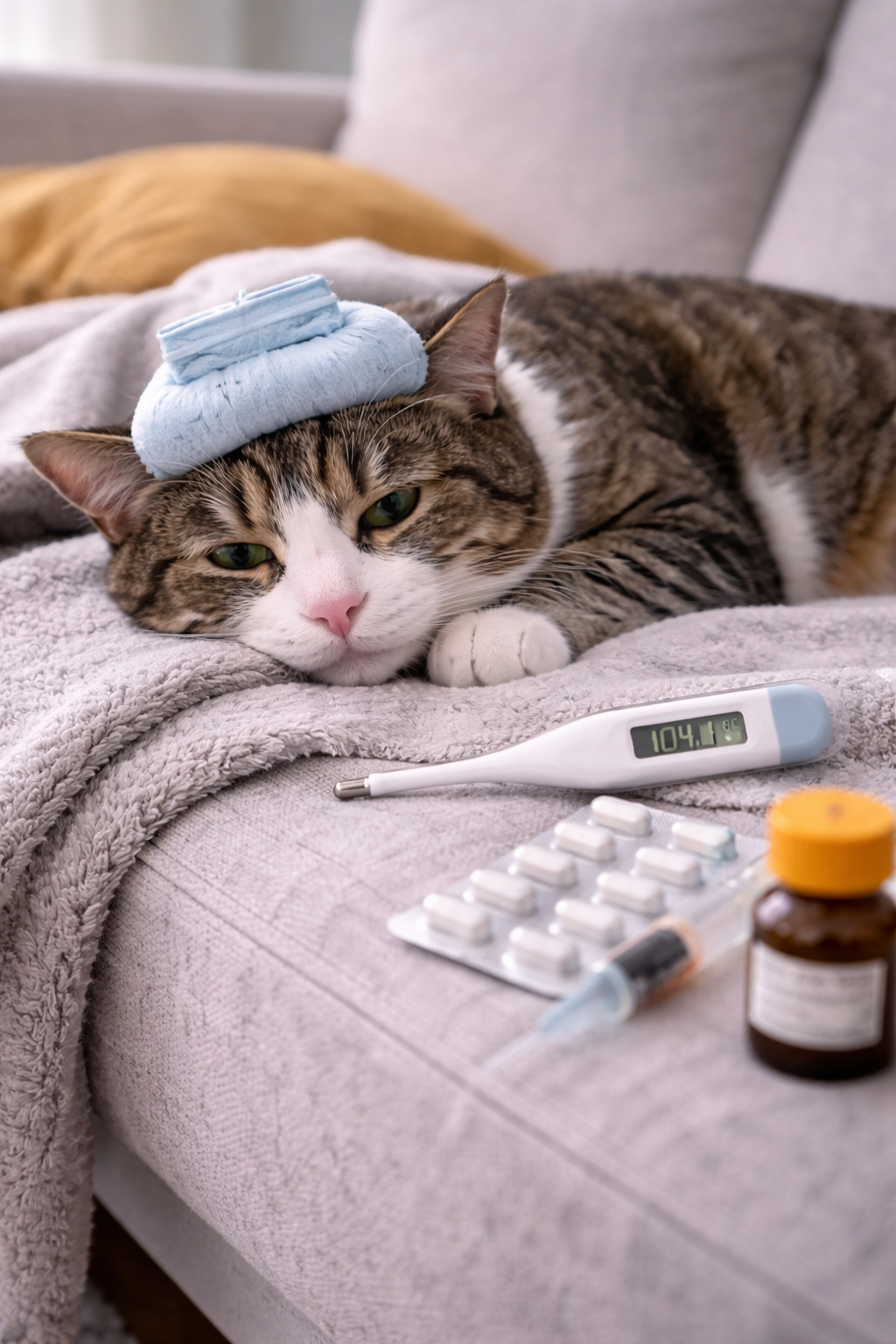
As a cat owner, you are likely well-acquainted with your feline friend’s behavior and habits. However, recognizing when your cat is unwell can be challenging, particularly when it comes to identifying subtle symptoms like fever. Fever in cats can be indicative of an underlying health issue that requires attention. In this guide, we will explore the symptoms of fever in cats, possible causes, and steps you can take to ensure your pet’s well-being.
Understanding Fever in Cats
Fever is a common physiological response to infection or inflammation. In cats, a normal body temperature ranges from 100.5 to 102.5 degrees Fahrenheit (38.1 to 39.2 degrees Celsius). A fever occurs when the body temperature rises above this normal range. It is important to note that fever is not a disease in itself but a symptom that indicates an underlying issue.
Common Causes of Fever in Cats
There are numerous reasons why a cat may develop a fever. Understanding these causes can help you determine the appropriate course of action:
- Infections: Bacterial, viral, or fungal infections are among the most common causes of fever in cats. These infections can affect various parts of the body, including the respiratory tract, urinary system, and skin.
- Inflammatory Conditions: Conditions such as arthritis or pancreatitis can lead to fever due to the inflammatory response they trigger.
- Immune-Mediated Diseases: Diseases that affect the immune system can cause fever as the body attempts to fight off perceived threats.
- Cancer: Certain types of cancer can lead to fever, particularly as the disease progresses.
- Heatstroke: Although less common, prolonged exposure to high temperatures can result in heatstroke and elevated body temperature.
Recognizing Fever Symptoms in Cats
Fever in cats can manifest in various ways. Being aware of these symptoms can help you identify the problem early and seek veterinary care if necessary:
Lethargy and Reduced Activity
Cats with fever often exhibit lethargy and a noticeable decrease in their usual activity levels. They may spend more time sleeping or resting and show less interest in play or exploration.
Loss of Appetite
A cat with a fever may lose interest in food and water, leading to reduced intake. This can result in weight loss and dehydration if not addressed promptly.
Shivering or Trembling
Similar to humans, cats may experience shivering or trembling when they have a fever. This is the body’s attempt to regulate temperature and can be a clear indicator of an elevated body temperature.
Dehydration
Fever can lead to increased fluid loss, resulting in dehydration. Signs of dehydration include dry gums, sunken eyes, and decreased skin elasticity. It is crucial to ensure your cat has access to fresh water at all times.
Rapid Breathing or Panting
In some cases, a feverish cat may exhibit rapid breathing or panting. This can be a sign of discomfort and an attempt to cool down by expelling heat through rapid breaths.
Changes in Behavior
Fever can lead to behavioral changes such as increased irritability, withdrawal, or vocalization. These behaviors may be indicative of discomfort or pain.
How to Confirm a Fever in Cats
If you suspect your cat has a fever, it is important to confirm it accurately. The most reliable method is to use a digital rectal thermometer:
- Gently restrain your cat by wrapping it in a towel or having someone assist you.
- Lubricate the thermometer with a water-based lubricant.
- Insert the thermometer gently into the rectum, about an inch deep.
- Wait for the thermometer to beep, indicating a reading has been taken.
- Remove the thermometer and read the temperature. A reading above 102.5 degrees Fahrenheit (39.2 degrees Celsius) indicates a fever.
Note: If you are uncomfortable taking your cat’s temperature, it is advisable to seek help from a veterinarian.
When to Seek Veterinary Care
While some fevers may resolve on their own, it is important to seek veterinary care if you notice any of the following:
- The fever persists for more than 24 hours.
- Your cat is showing severe symptoms such as difficulty breathing, persistent vomiting, or diarrhea.
- Your cat is extremely lethargic and unable to stand or walk.
- There are signs of dehydration, such as sunken eyes or dry gums.
Your veterinarian will conduct a thorough examination and may recommend diagnostic tests to determine the underlying cause of the fever.
Home Care and Management
While awaiting veterinary care or if the fever is mild, there are several steps you can take at home to help manage your cat’s condition:
- Ensure Hydration: Encourage your cat to drink water and consider offering wet food to increase fluid intake.
- Provide a Comfortable Environment: Create a quiet and comfortable space for your cat to rest, away from noise and distractions.
- Monitor Symptoms: Keep a close eye on your cat’s behavior and any changes in symptoms. Note any additional symptoms that may develop.
- Avoid Overheating: Ensure your cat is not exposed to excessive heat, especially during warmer months.
Conclusion
Recognizing the symptoms of fever in cats is essential for providing timely care and addressing potential underlying health issues. By understanding the common signs of fever and knowing when to seek veterinary assistance, you can help ensure your cat receives the necessary treatment and returns to optimal health. Always trust your instincts as a pet owner, and never hesitate to consult a veterinarian if you have concerns about your cat’s well-being.
#ChatGPT assisted in the creation of this article.






Post Comment