


Preventing Cat Urinary Tract Infections: Essential Tips
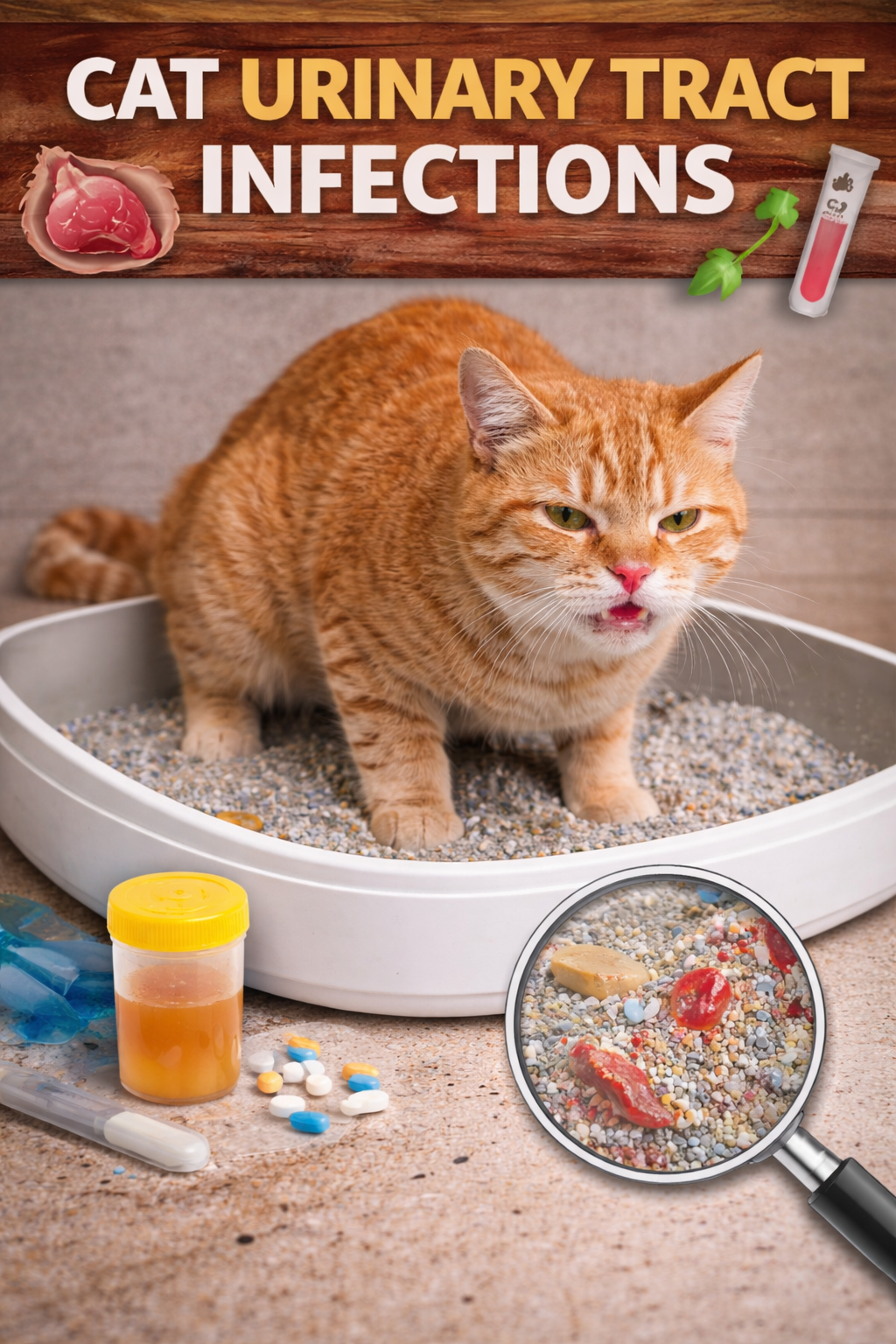
Urinary tract infections (UTIs) are a common health issue in cats, affecting their quality of life and potentially leading to more severe health problems if left untreated. Understanding how to prevent these infections can help cat owners safeguard their feline friends’ well-being. This article provides essential tips on preventing cat urinary tract infections, focusing on dietary habits, hydration, environmental enrichment, and regular veterinary care.
Understanding Urinary Tract Infections in Cats
Before delving into prevention strategies, it’s crucial to understand what urinary tract infections are and how they affect cats. A UTI occurs when bacteria invade the urinary tract, which includes the bladder and urethra. This can lead to inflammation, discomfort, and a range of unpleasant symptoms for the cat.
Common Causes of UTIs in Cats
While bacterial infections are the most common cause of UTIs, several factors can increase a cat’s susceptibility to these infections:
- Poor Diet: A diet lacking in essential nutrients or high in certain minerals can contribute to UTI development.
- Dehydration: Cats that do not consume enough water are at a higher risk of developing UTIs.
- Obesity: Overweight cats may experience more stress on their urinary systems, making them more prone to infections.
- Stress: Environmental stress can lead to behavioral changes, such as inappropriate urination, which can increase UTI risk.
Signs and Symptoms of UTIs in Cats
Recognizing the signs and symptoms of UTIs can help in early detection and treatment. Some common symptoms include:
- Frequent urination or attempts to urinate
- Straining to urinate
- Blood in the urine
- Urinating outside the litter box
- Licking around the urinary opening
- Signs of discomfort or pain when urinating
If you notice any of these symptoms, it’s essential to consult a veterinarian promptly.
Essential Tips for Preventing Cat UTIs
There are several effective strategies cat owners can employ to minimize the risk of UTIs in their pets. Here are some essential tips:
1. Provide a Balanced Diet
A balanced diet is crucial for maintaining overall cat health, including urinary tract health. Here are some dietary considerations:
- High-Quality Cat Food: Choose cat food that meets the nutritional requirements specific to your cat’s age, weight, and health status.
- Low Magnesium Content: Opt for cat food with low magnesium content, as high levels can contribute to the formation of urinary crystals.
- Wet vs. Dry Food: Consider incorporating wet food into your cat’s diet. Wet food has a higher moisture content, which can help prevent dehydration.
2. Ensure Adequate Hydration
Hydration plays a vital role in preventing UTIs in cats. Here are some ways to encourage your cat to drink more water:
- Fresh Water Supply: Ensure your cat has access to fresh, clean water at all times.
- Multiple Water Sources: Place water bowls in various locations around your home to encourage regular drinking.
- Use a Cat Fountain: Some cats prefer running water, so investing in a cat water fountain can entice them to drink more.
3. Maintain a Stress-Free Environment
Stress can impact a cat’s urinary health. Consider the following to reduce stress:
- Safe Spaces: Provide your cat with quiet, safe places where they can retreat if they feel stressed.
- Interactive Play: Engage your cat in regular play sessions to keep them mentally stimulated and reduce stress.
- Consistent Routine: Maintain a consistent daily routine to provide a sense of security for your cat.
4. Regular Veterinary Check-Ups
Regular veterinary care is essential for preventing and detecting UTIs in cats:
- Annual Check-Ups: Schedule regular veterinary check-ups to monitor your cat’s overall health and catch any potential issues early.
- Urine Tests: Routine urine tests can help detect any abnormalities in your cat’s urinary system before they develop into full-blown infections.
5. Maintain a Clean Litter Box
A clean litter box is crucial for urinary health. Ensure the following:
- Regular Cleaning: Scoop the litter box daily and change the litter at least once a week.
- Multiple Litter Boxes: If you have multiple cats, provide one litter box per cat, plus an extra, to prevent overcrowding.
Conclusion
Preventing urinary tract infections in cats requires a proactive approach that focuses on diet, hydration, stress reduction, regular veterinary care, and maintaining a clean environment. By following these essential tips, cat owners can significantly reduce the risk of UTIs in their feline companions, ensuring a healthier and happier life for their cats.
Remember, if you suspect your cat may have a UTI or if you notice any concerning symptoms, consult your veterinarian immediately. Early intervention is key to preventing complications and ensuring your cat receives the care they need.
#ChatGPT assisted in the creation of this article.






Post Comment