


Identifying Common Cat Worm Symptoms for Better Health
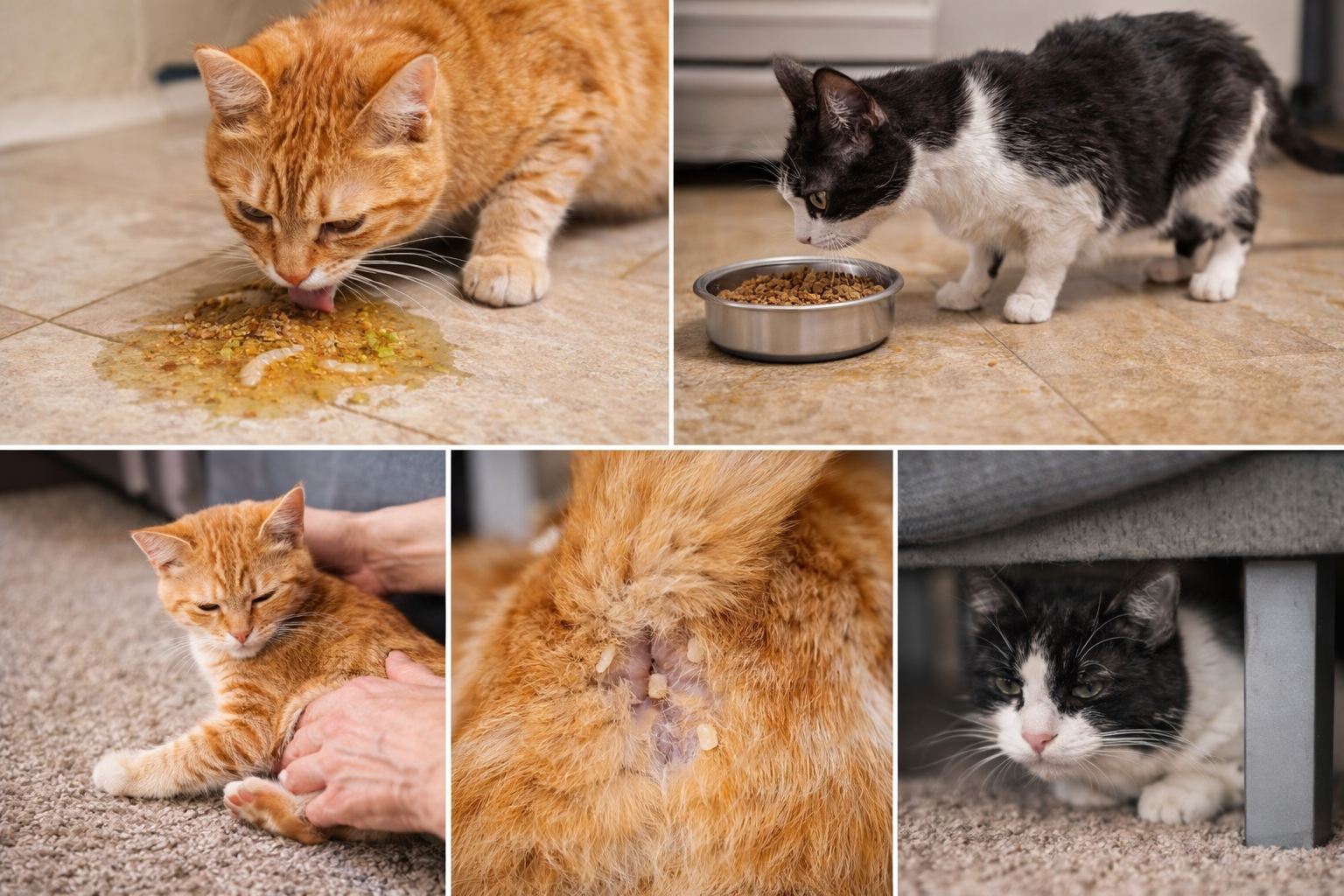
Cats are beloved companions in many households, cherished for their independence, playful nature, and affectionate behavior. However, like all pets, they are susceptible to various health issues, including parasitic infections. One of the most common health concerns for cats is worm infestations. Identifying the symptoms of worm infections in cats is crucial for ensuring their well-being and maintaining their overall health. This article delves into the common symptoms of cat worms and provides guidance on how to address these issues effectively.
Understanding Cat Worms
Cat worms are internal parasites that can cause a range of health problems if left untreated. There are several types of worms that commonly infect cats, including roundworms, tapeworms, hookworms, and heartworms. Each type of worm affects cats differently, and understanding the specific symptoms associated with each can help in early detection and treatment.
Roundworms
Roundworms are one of the most prevalent types of worms found in cats. They are long, white, and resemble spaghetti. Kittens are especially prone to roundworm infections, often contracting them from their mother’s milk.
Tapeworms
Tapeworms are flat and segmented, and they attach themselves to the cat’s intestines. They can grow quite long and often break off into segments that are visible around the cat’s anus or in their feces.
Hookworms
Hookworms are smaller than roundworms and tapeworms, but they can cause significant health issues. They attach to the cat’s intestinal lining and feed on their blood, leading to anemia and other complications.
Heartworms
Heartworms are transmitted through mosquito bites and primarily affect the cat’s heart and lungs. While less common than in dogs, heartworms can still pose a serious threat to a cat’s health.
Common Symptoms of Cat Worms
Recognizing the symptoms of worm infestations in cats is essential for timely treatment. Here are some common signs that may indicate the presence of worms:
Changes in Appetite
A sudden change in appetite, whether an increase or decrease, can be a sign of a worm infestation. Cats with worms may feel hungrier due to the parasites consuming nutrients meant for the cat. Conversely, some cats may lose their appetite due to the discomfort caused by the worms.
Weight Loss
Unexplained weight loss is a common symptom of worm infestations. Despite a normal or increased appetite, the presence of worms can prevent the cat from absorbing essential nutrients, leading to weight loss.
Vomiting
Vomiting is another symptom that may indicate a worm problem. Cats with roundworms may vomit up adult worms, which are easily recognizable due to their spaghetti-like appearance. Frequent vomiting should be evaluated by a veterinarian to rule out worm infestations or other health issues.
Diarrhea
Diarrhea, sometimes containing blood, can be a symptom of worm infections, particularly hookworms. Chronic diarrhea can lead to dehydration, which can be life-threatening if not addressed promptly.
Bloated Abdomen
A swollen or bloated abdomen is often seen in kittens with heavy worm infestations. This condition is usually caused by the presence of a large number of worms in the intestines.
Visible Worms or Segments
The presence of visible worms or worm segments in the cat’s feces or around their anus is a clear indicator of a worm infestation. Tapeworm segments, which resemble grains of rice, are commonly seen in such cases.
Coughing and Respiratory Issues
Coughing or signs of respiratory distress can indicate a heartworm infection. While coughing is more common in dogs with heartworms, it can also occur in cats and should not be ignored.
Anemia and Pale Gums
Hookworms, in particular, can cause anemia due to their blood-feeding habits. Cats with anemia may have pale gums and exhibit lethargy and weakness.
Diagnosis and Treatment
If you suspect your cat has worms, it is crucial to consult a veterinarian for a proper diagnosis. A vet will typically perform a fecal examination to identify the presence and type of worms. In some cases, blood tests or imaging may be necessary, especially if heartworms are suspected.
Treatment Options
The treatment for worm infestations depends on the type of worm and the severity of the infection. Common treatments include:
– **Deworming Medications:** These are specifically designed to target and eliminate different types of worms. They are available in various forms, such as tablets, injections, or topical applications.
– **Supportive Care:** In cases of severe infestations, additional supportive care, such as fluid therapy or nutritional support, may be necessary to aid recovery.
– **Heartworm Treatment:** Treating heartworms in cats can be complex and may require a combination of medications and supportive care to manage symptoms.
Prevention of Worm Infestations
Preventing worm infestations is key to maintaining your cat’s health. Here are some preventive measures:
Regular Veterinary Check-ups
Routine veterinary visits are essential for monitoring your cat’s health and catching any issues early. Your vet can recommend a deworming schedule based on your cat’s lifestyle and risk factors.
Parasite Control
Using preventative treatments, such as monthly flea and tick preventatives, can reduce the risk of tapeworm infestations, as these worms are often transmitted through fleas.
Hygiene and Environment
Maintaining a clean environment is crucial. Regularly clean litter boxes and ensure your cat’s living area is free of feces. Wash your hands after handling your cat or cleaning their litter box to prevent the spread of parasites.
Diet and Nutrition
Feeding your cat a balanced, high-quality diet can support their immune system, making them less susceptible to infections, including worm infestations.
Conclusion
Worm infestations in cats are a common health concern, but with vigilant observation and prompt veterinary care, they can be effectively managed. By recognizing the symptoms of worm infections and taking preventive measures, cat owners can help ensure their feline companions lead healthy, happy lives. Regular veterinary check-ups, proper hygiene, and preventive treatments are key components of keeping your cat worm-free and thriving.
#ChatGPT assisted in the creation of this article.






Post Comment