


Effective Solutions for Cat Eye Infections
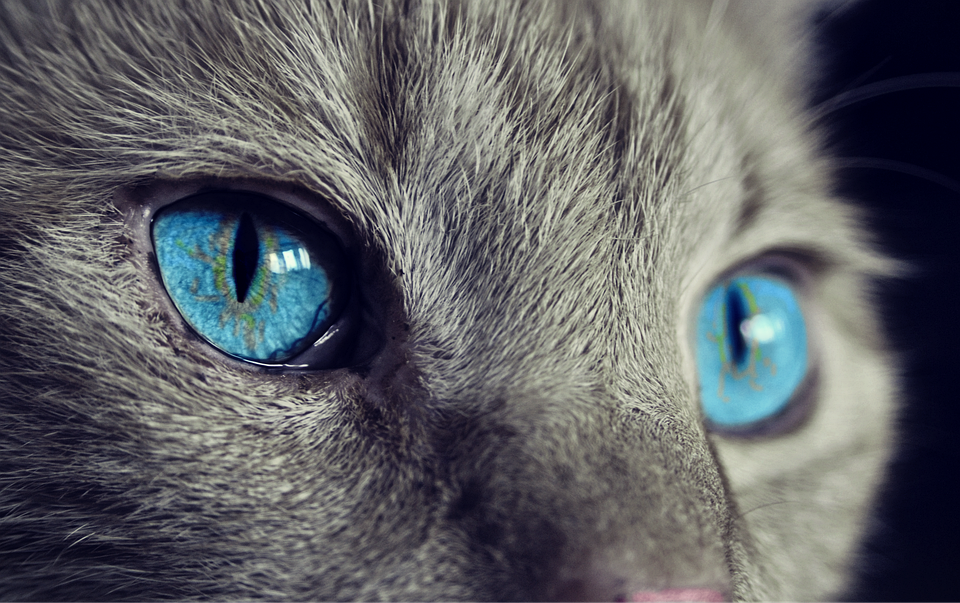
Cat eye infections are a common issue for feline companions and can range from mild to severe. Recognizing and addressing these infections promptly is crucial to ensuring your cat’s overall health and comfort. Various factors can contribute to eye infections in cats, including bacteria, viruses, fungi, and environmental irritants. Understanding the causes, symptoms, and effective treatment options is the first step in addressing this health concern.
Causes of Cat Eye Infections
Several factors can lead to eye infections in cats:
Bacterial Infections
Bacterial infections are a common cause of eye issues in cats. Bacteria such as Chlamydia and Mycoplasma can infect the eyes, leading to conjunctivitis, commonly known as pink eye.
Viral Infections
Viruses like the feline herpesvirus (FHV-1) and feline calicivirus can cause eye infections. These viruses can lead to chronic eye issues if not addressed promptly.
Fungal Infections
Although less common, fungal infections can affect a cat’s eyes, especially in areas with high humidity.
Environmental Irritants
Dust, pollen, or chemicals can irritate a cat’s eyes, leading to infection if the irritation persists and leads to scratching or rubbing.
Symptoms of Cat Eye Infections
Recognizing the symptoms of eye infections in cats is essential for early intervention:
– Redness and swelling of the eyelids
– Discharge from the eyes, which can be clear, yellow, or green
– Squinting or excessive blinking
– Pawing at the eyes
– Sensitivity to light
– Cloudiness in the eyes
If you notice any of these symptoms, it is important to consult a veterinarian promptly to prevent the infection from worsening.
Diagnosis of Cat Eye Infections
A veterinarian will typically perform a thorough eye examination to diagnose an eye infection. This may include:
– A visual examination of the eye and surrounding area
– Fluorescein staining to check for corneal ulcers
– Schirmer tear test to evaluate tear production
– Cultures or PCR tests to identify specific pathogens
Proper diagnosis is critical for determining the most effective treatment plan for your cat.
Treatment Options for Cat Eye Infections
Treatment for cat eye infections depends on the underlying cause. Addressing the root cause is essential for effective resolution and preventing recurrence.
Antibiotic and Antiviral Medications
For bacterial infections, veterinarians may prescribe topical or systemic antibiotics. Viral infections may require antiviral medications, although these are more about managing symptoms than curing the virus.
Eye Drops and Ointments
Medicated eye drops and ointments can help alleviate symptoms and promote healing. These treatments often contain antibiotics or anti-inflammatory agents to reduce swelling and discomfort.
Cleaning the Eye Area
Gently cleaning the eye area with a warm, damp cloth can help remove discharge and reduce irritation. It is important to use a fresh cloth for each eye to prevent cross-contamination.
Addressing Underlying Health Issues
Sometimes, eye infections can be a symptom of a broader health issue, such as feline immunodeficiency virus (FIV) or feline leukemia virus (FeLV). Addressing these underlying conditions is crucial for overall health.
Natural and Home Remedies
While it is vital to consult a veterinarian for eye infections, some natural remedies may complement conventional treatments:
Saline Solution
A simple saline solution can be used to rinse the eyes and reduce irritation. Ensure the solution is sterile and used with care.
Chamomile Tea
Chamomile has natural anti-inflammatory properties. A cooled chamomile tea bag can be gently applied to the affected eye to reduce swelling and irritation.
Proper Nutrition
Ensuring your cat receives a balanced diet rich in essential nutrients can support their immune system, helping to prevent and fight infections.
Preventing Cat Eye Infections
Prevention is always better than cure. Here are some strategies to prevent eye infections in cats:
Regular Veterinary Check-Ups
Routine check-ups can help catch potential health issues early, including eye infections. Ensure your cat’s vaccinations are up to date to protect against viral infections.
Maintaining a Clean Environment
Keeping your cat’s living area clean can reduce exposure to irritants and pathogens. Regularly clean bedding, litter boxes, and feeding areas.
Balanced Diet and Hydration
A healthy diet and proper hydration support overall immune function, helping your cat fight off infections more effectively.
Minimize Stress
Stress can weaken a cat’s immune system, making them more susceptible to infections. Provide a stable, comfortable environment for your cat to reduce stress.
When to Seek Veterinary Care
While some mild eye irritations can be managed at home, it is important to seek veterinary care if:
– Symptoms persist for more than a couple of days
– Your cat seems to be in pain or distress
– There is a noticeable change in vision or eye appearance
– Discharge is thick and colored
Prompt veterinary intervention can prevent complications, such as vision loss or spread of infection to other areas.
Conclusion
Cat eye infections are a common yet manageable health issue. Being vigilant about symptoms and seeking prompt veterinary care can ensure effective treatment and recovery. By maintaining a clean environment, providing a balanced diet, and minimizing stress, you can help protect your feline friend from future eye infections. Remember, when in doubt, always consult your veterinarian to ensure your cat receives the best care possible.
“`
#ChatGPT assisted in the creation of this article.






Post Comment