


Effective Cat Flea Treatments: Top Solutions Revealed
Flea infestations are a common and frustrating issue for cat owners. These tiny parasites can cause significant discomfort for your feline friend, leading to itching, skin infections, and even more serious health issues if left untreated. Fortunately, there are numerous effective treatments available to tackle these pesky invaders. In this article, we will explore some of the top solutions for treating fleas in cats, ensuring your pet remains healthy and comfortable.
Understanding Fleas
Fleas are small, wingless insects that feed on the blood of animals. They are notorious for their ability to jump long distances and reproduce rapidly, making them difficult to control. Understanding the life cycle of fleas is crucial for effective treatment. Fleas go through four stages: egg, larva, pupa, and adult. Effective flea control requires addressing all stages of this life cycle.
Why Flea Control is Important
Fleas are more than just a nuisance; they can pose serious health risks to cats. Flea bites result in itching and irritation, and in severe cases, can lead to allergic reactions known as flea allergy dermatitis. Fleas can also transmit tapeworms and other parasites to cats. Moreover, in young or frail cats, a severe flea infestation can lead to anemia due to blood loss. Therefore, implementing an effective flea control strategy is essential for your cat’s overall health and wellness.
Top Flea Treatment Solutions
Topical Treatments
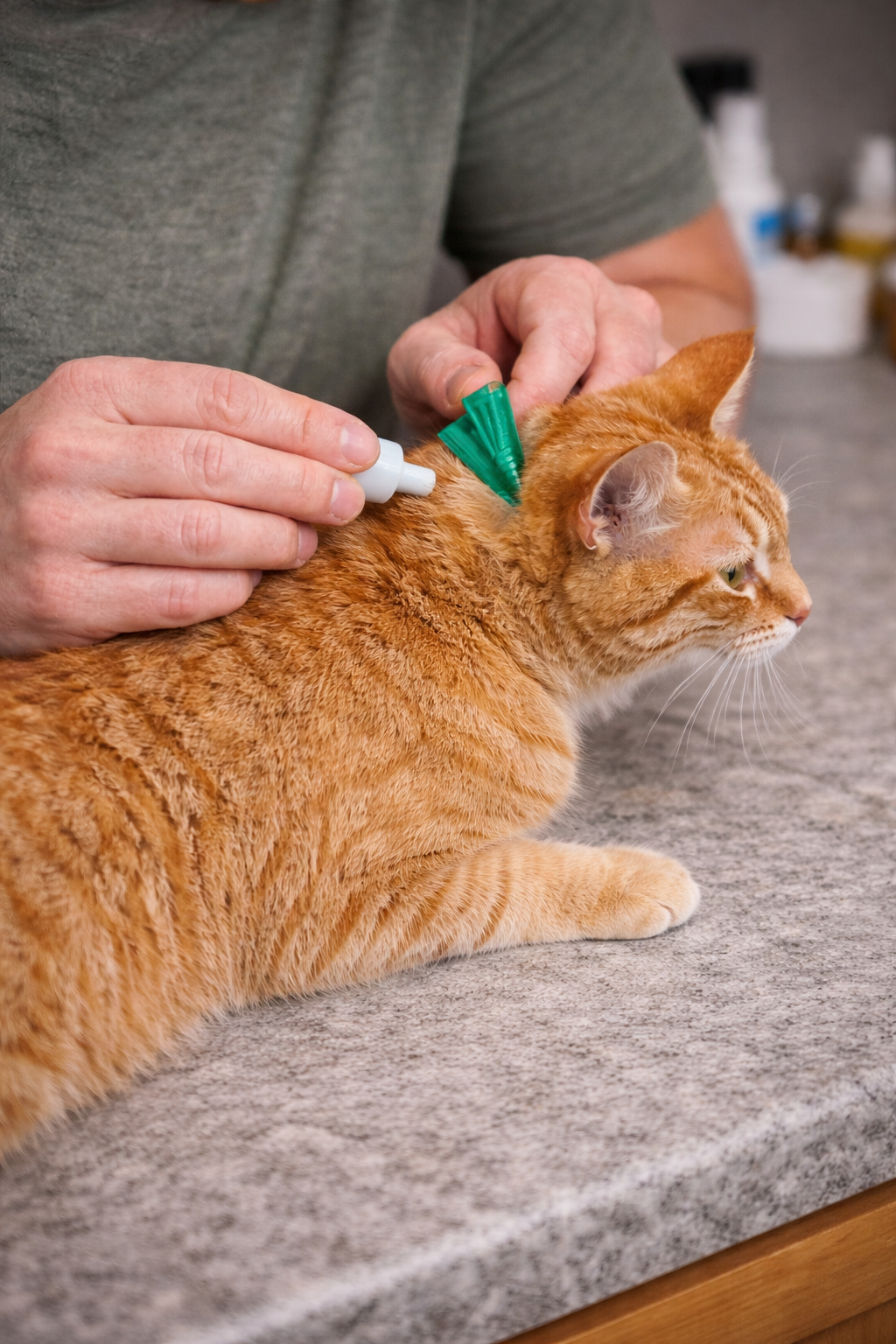
Topical flea treatments, also known as spot-on treatments, are among the most popular solutions for flea control. These are typically applied directly to the skin at the back of the cat’s neck, where they spread through the skin’s oils and kill fleas on contact. Popular topical treatments include products like Frontline Plus, Advantage II, and Revolution Plus. These treatments usually need to be applied monthly and are effective in killing fleas at multiple life stages.
Oral Medications
Oral flea medications are another highly effective solution. These medications, usually given in the form of a tablet, work by entering the cat’s bloodstream and killing fleas when they bite. Some popular oral medications include Comfortis, Capstar, and Bravecto. Oral treatments can start working within hours and are particularly useful for cats that are difficult to treat topically or have sensitive skin.
Flea Collars
Flea collars are a convenient option for continuous flea control. Modern flea collars, such as the Seresto collar, can provide protection for up to eight months. They release small doses of active ingredients that repel and kill fleas over time. Flea collars are a good option for cats that do not tolerate topical or oral treatments well.
Flea Shampoos and Dips
While not as long-lasting as other treatments, flea shampoos and dips can be effective for immediate relief from fleas. These products are applied during bathing and can quickly kill adult fleas on the cat. However, they do not have residual effects and should be used in conjunction with other treatments for long-term control.
Environmental Control
Treating the cat alone is not enough; the environment must also be addressed to prevent re-infestation. Flea eggs and larvae can reside in carpets, bedding, and upholstery. Regular vacuuming, washing bedding, and using household flea sprays can help eliminate fleas from the environment. In severe cases, professional pest control services may be necessary to fully eradicate fleas from the home.
Choosing the Right Treatment
Selecting the appropriate flea treatment for your cat depends on several factors, including age, health status, lifestyle, and any existing health conditions. It is always advisable to consult with a veterinarian before starting any flea treatment regimen. A vet can help you choose a product that is safe and effective for your specific pet.
Preventive Measures
Prevention is key when it comes to flea control. Regularly using a flea preventive treatment, even if you do not currently see fleas, can help avoid infestations. Additionally, maintaining a clean environment and monitoring your cat for signs of fleas can aid in early detection and treatment.
Conclusion
Effective flea control is essential for maintaining your cat’s health and comfort. With a variety of treatments available, from topical applications to oral medications and flea collars, it is easier than ever to protect your feline friend from these annoying pests. By understanding the flea life cycle and taking a comprehensive approach that includes environmental control and preventive measures, you can ensure your cat remains flea-free and happy.
Final Thoughts
Flea control requires vigilance and consistency, but the rewards are well worth the effort. By keeping your cat protected from fleas, you are safeguarding their health and enhancing their quality of life. Remember, a flea-free cat is a happy cat!
#ChatGPT assisted in the creation of this article.






Post Comment