


Top Signs Your Cat is Bored and Needs Stimulation
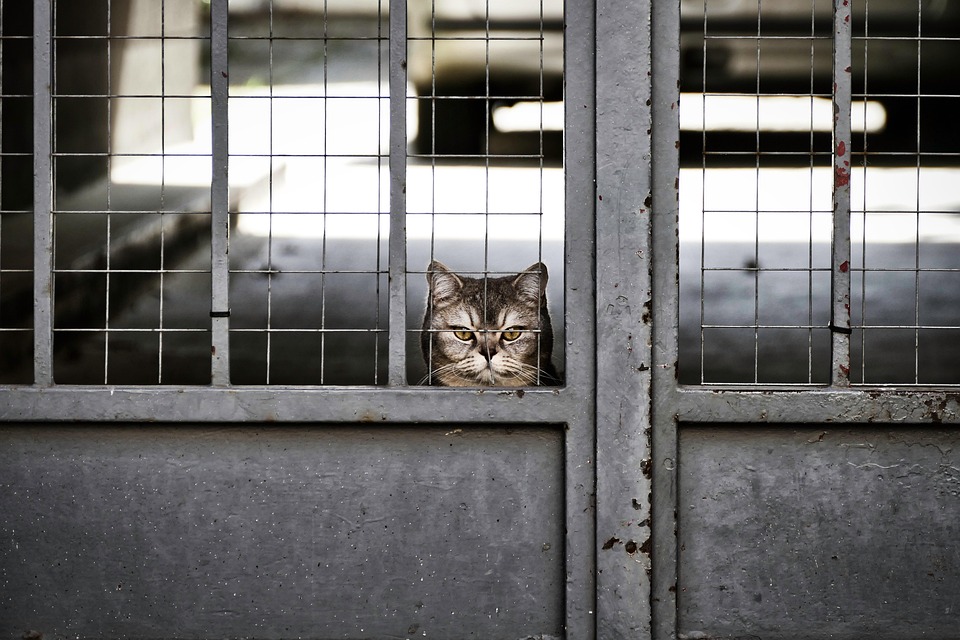
Cats, known for their independence and enigmatic personalities, are often perceived as low-maintenance pets. However, despite their self-sufficient reputation, cats require mental and physical stimulation to thrive. Boredom in cats can lead to a variety of behavioral issues, which can affect their well-being and your home environment. Understanding the signs of boredom and providing adequate stimulation can enhance your feline friend’s quality of life. This article explores the top signs your cat is bored and offers solutions to keep them engaged and content.
Excessive Meowing
One of the most noticeable signs of a bored cat is excessive vocalization. While some cats naturally meow more than others, an increase in frequency or volume can indicate that your cat is seeking attention or expressing frustration. If your typically quiet cat suddenly becomes a chatterbox, it may be trying to communicate its need for interaction and stimulation.
Destructive Behavior
Bored cats often resort to destructive behavior as a way to entertain themselves or release pent-up energy. This can include scratching furniture, knocking items off shelves, or chewing on cords and household objects. Providing appropriate outlets for your cat’s energy, such as scratching posts and interactive toys, can help mitigate this behavior.
Overeating or Undereating
Changes in eating habits can be another indication of a bored cat. Some cats may overeat out of boredom, leading to weight gain and potential health issues. Others might lose interest in food altogether. Ensuring your cat has a balanced diet and engaging them in mealtime activities, such as puzzle feeders, can address these issues.
Excessive Grooming
While grooming is a natural and important part of a cat’s routine, excessive grooming can be a sign of boredom or stress. Cats may groom themselves to the point of creating bald spots or skin irritation. If you notice your cat grooming excessively, it may be time to introduce new stimuli to their environment.
Lethargy and Lack of Interest
A bored cat may become lethargic and show little interest in their surroundings. They may sleep more than usual or ignore toys and activities they once enjoyed. Encouraging playtime and providing a variety of toys can help reignite their interest and energy levels.
Increased Aggression
Boredom can lead to frustration, which may manifest as aggression towards humans or other pets. Cats may swat, bite, or hiss more frequently if they feel unstimulated. Offering interactive play sessions and ensuring your cat has personal space can reduce aggressive behavior.
Escaping or Wandering
Some cats attempt to escape or wander off when they’re bored, seeking adventure and stimulation outside their usual environment. To prevent this, create an engaging indoor space with climbing structures, window perches, and outdoor enclosures, if possible.
Solutions to Combat Boredom
Now that we’ve identified the signs of boredom, let’s explore some solutions to keep your cat entertained and engaged:
Interactive Play
Interactive play is crucial for a cat’s mental and physical health. Dedicate time each day for play sessions using toys that mimic prey, such as feather wands and laser pointers. Rotate toys regularly to maintain your cat’s interest.
Environmental Enrichment
Enhance your cat’s environment with vertical spaces, such as cat trees and shelves, to satisfy their natural climbing instincts. Provide scratching posts and a variety of textures for them to explore. Consider creating a “catio” or outdoor enclosure for safe outdoor experiences.
Puzzle Feeders and Treat Dispensers
Puzzle feeders and treat dispensers offer mental stimulation and make mealtime more engaging. These tools encourage problem-solving and can help prevent overeating by slowing down your cat’s eating pace.
Companionship
If your cat is alone for long periods, consider adopting another cat to provide companionship. Ensure proper introductions and monitor their interactions to ensure compatibility.
Training and Tricks
Train your cat to perform tricks or commands using positive reinforcement. This not only stimulates their mind but also strengthens the bond between you and your pet. Simple tricks like “sit,” “high five,” or “fetch” can be both entertaining and rewarding.
Rotate Toys and Create DIY Challenges
Keep your cat engaged by rotating their toys and creating DIY challenges. Use everyday items like paper bags, cardboard boxes, and tunnels to create new play opportunities. Hiding treats or toys inside can add an element of surprise and excitement.
Conclusion
Cats, despite their independent nature, require stimulation and interaction to lead happy and healthy lives. Recognizing the signs of boredom and implementing strategies to combat it can prevent behavioral issues and enhance your cat’s well-being. By providing a dynamic and enriching environment, you can ensure your feline friend remains content, active, and engaged.
Remember that each cat is unique, and their preferences may vary. It may take some trial and error to discover what types of stimulation your cat enjoys most. Observing their behavior and adjusting your approach accordingly will help you create a fulfilling and stimulating environment for your cherished companion.
#ChatGPT assisted in the creation of this article.


Post Comment