


Top Hypoallergenic Cat Food: Best Choices for 2025
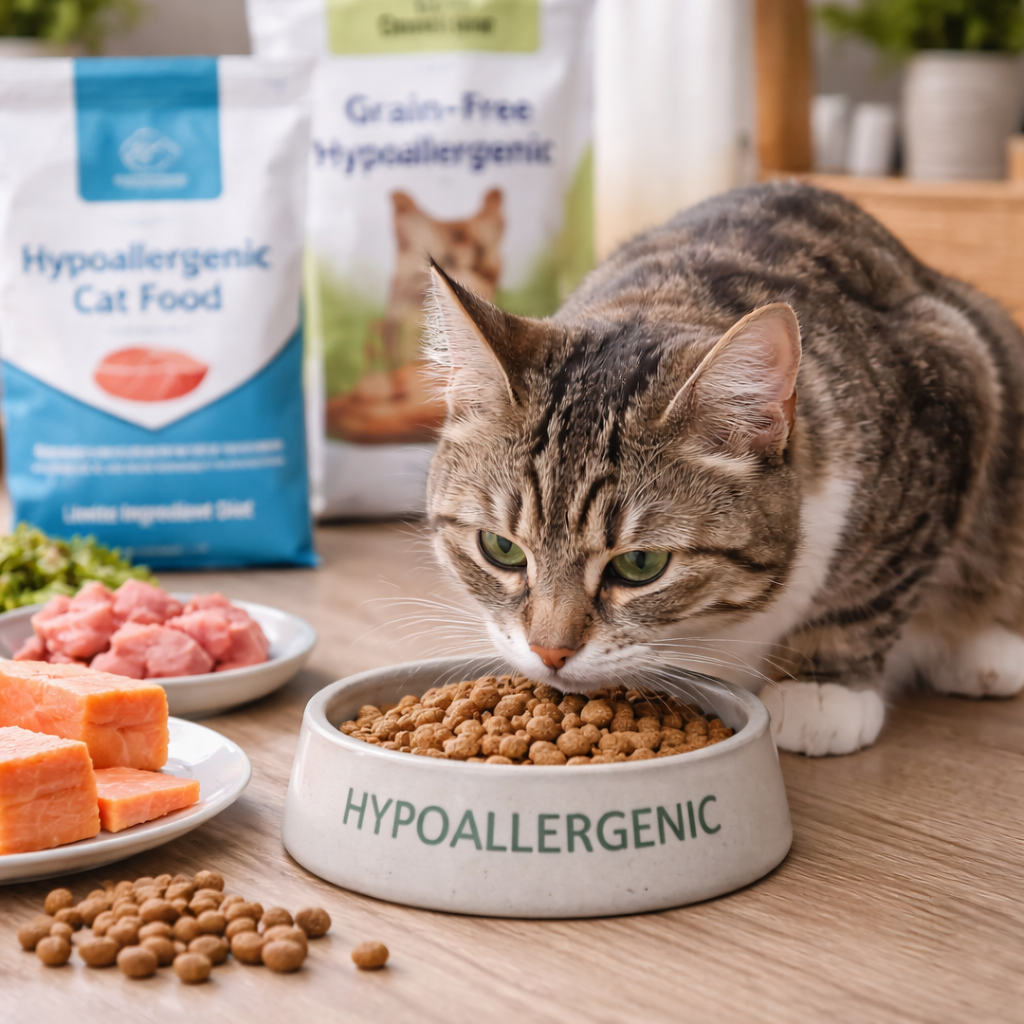
For pet owners, ensuring their feline friends enjoy a healthy and nutritious diet is paramount. However, some cats suffer from food allergies, which can lead to a multitude of health issues. Hypoallergenic cat food is specially formulated to reduce the risk of allergic reactions in cats. These foods typically exclude common allergens and include alternative protein and carbohydrate sources. In 2025, the market offers a variety of hypoallergenic cat food options, each designed to support your cat’s health without triggering their sensitivities.
Common Cat Food Allergens
Before delving into the best hypoallergenic cat food options, it is crucial to understand the common allergens that might be affecting your cat. Protein sources like beef, chicken, fish, and dairy products are frequent culprits. Grains such as corn and wheat, as well as artificial additives and preservatives, can also cause allergic reactions. Symptoms of food allergies in cats can include skin irritation, gastrointestinal upset, and respiratory issues.
Benefits of Hypoallergenic Cat Food
Hypoallergenic cat food can significantly improve your cat’s quality of life by reducing or eliminating allergy symptoms. Additionally, these specialized diets can enhance digestion, improve skin and coat health, and support overall wellness. By choosing a hypoallergenic option, pet owners can help prevent health issues associated with allergies and ensure their cats receive adequate nutrition.
Top Hypoallergenic Cat Food Choices for 2025
When selecting a hypoallergenic cat food, it is essential to consider the ingredients, nutritional value, and brand reputation. Here are some of the top options available in 2025:
1. Royal Canin Veterinary Diet Hydrolyzed Protein
Royal Canin is renowned for its veterinary-grade diets, and their Hydrolyzed Protein formula is a top choice for cats with food allergies. This diet features proteins that have been broken down into smaller molecules, making them less likely to trigger an immune response. It also contains essential fatty acids for skin health and a balanced blend of vitamins and minerals.
2. Hill’s Prescription Diet z/d
Formulated by veterinarians and nutritionists, Hill’s Prescription Diet z/d is another excellent hypoallergenic option. It contains hydrolyzed chicken liver as the primary protein source and eliminates potential allergens. This diet is specifically designed to improve digestion and support skin health, making it ideal for cats with food sensitivities.
3. Blue Buffalo Basics Limited Ingredient Diet
For pet owners seeking a more natural option, Blue Buffalo Basics Limited Ingredient Diet is a great choice. This formulation uses a single animal protein source, such as turkey or duck, and includes easily digestible carbohydrates like potatoes and peas. It is free from chicken, beef, dairy, and eggs, which are common allergens in cats.
4. Natural Balance L.I.D. Limited Ingredient Diets
Natural Balance offers a variety of limited ingredient diets that cater to cats with food allergies. Their recipes prioritize a single protein source and do not include grains, artificial colors, or flavors. Options like the Green Pea & Duck or the Salmon & Green Pea formulas provide balanced nutrition while minimizing the risk of allergic reactions.
5. Purina Pro Plan Veterinary Diets HA Hydrolyzed Formula
Purina Pro Plan’s HA Hydrolyzed Formula is specially crafted for cats with food sensitivities. This diet uses hydrolyzed soy protein to ensure digestibility and reduce allergenic potential. Additionally, it offers a complete and balanced nutritional profile, making it suitable for long-term feeding.
Transitioning to a Hypoallergenic Diet
Switching your cat to a hypoallergenic diet should be done gradually to prevent digestive upset. Start by mixing a small amount of the new food with your cat’s current diet, gradually increasing the proportion of the hypoallergenic food over 7-10 days. Monitor your cat for any changes in symptoms or behavior, and consult your veterinarian if you have concerns.
Consulting with Your Veterinarian
Before changing your cat’s diet, it is crucial to consult with a veterinarian. They can help identify the specific allergens affecting your cat and recommend the most appropriate hypoallergenic food. Additionally, a veterinarian can provide guidance on managing food allergies and monitor your cat’s progress on the new diet.
Conclusion
Choosing the right hypoallergenic cat food can make a significant difference in your cat’s health and well-being. By understanding common allergens and selecting a high-quality diet, you can help alleviate allergy symptoms and ensure your cat receives the nutrition they need. In 2025, options like Royal Canin Hydrolyzed Protein, Hill’s Prescription Diet z/d, and Blue Buffalo Basics offer tailored solutions for cats with food sensitivities. Always consult with your veterinarian to make the best dietary choices for your feline companion.
#ChatGPT assisted in the creation of this article.


Post Comment