


Stop Cat Wire Chewing: Effective Solutions Revealed
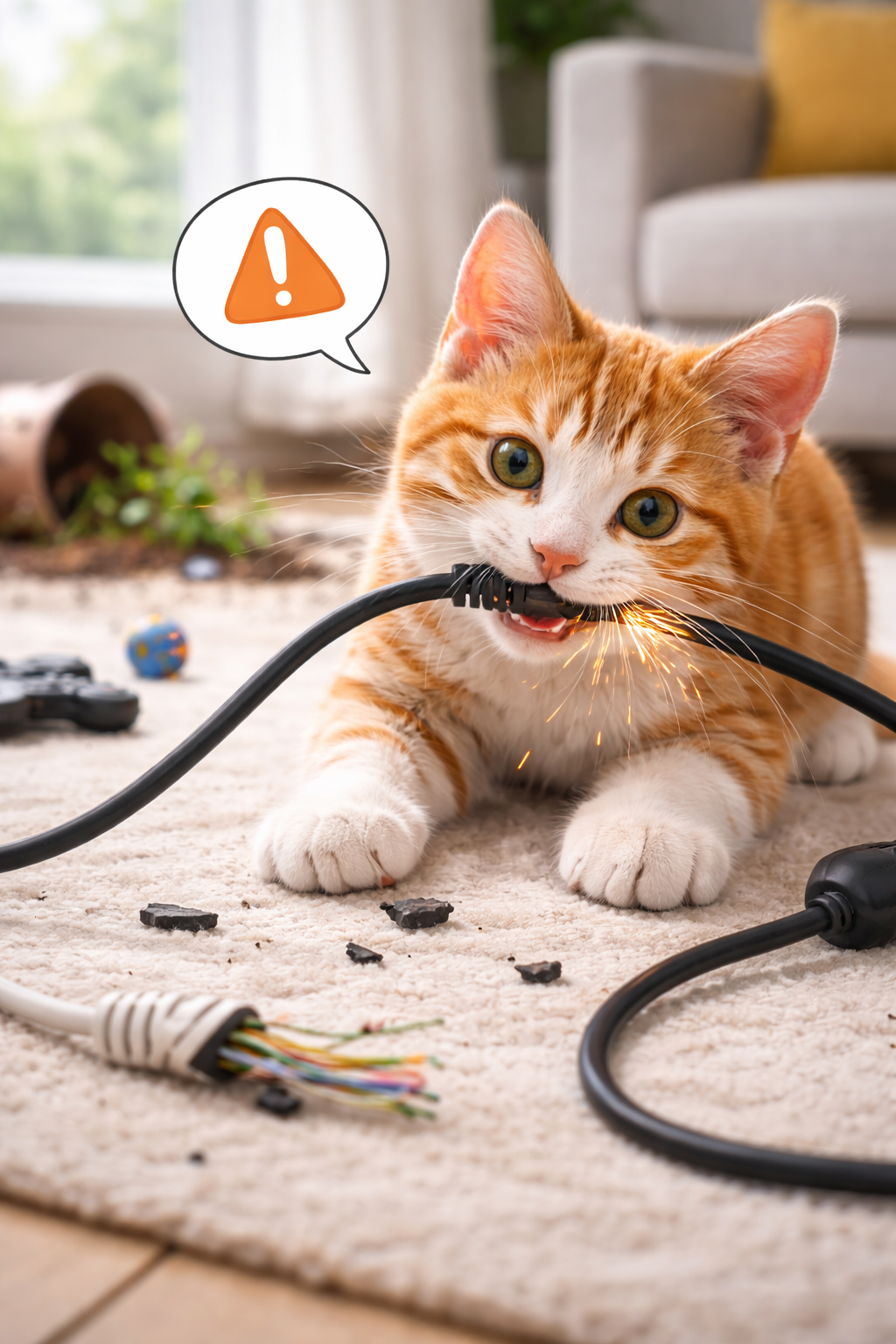
Wire chewing is a common behavioral problem among cats that can lead to significant damage and pose serious safety risks. Understanding why cats engage in this behavior is the first step toward finding effective solutions. Cats may chew wires for several reasons, including teething, boredom, anxiety, or even curiosity. Each of these motives requires a slightly different approach to resolve.
Teething and Young Cats
Just like human babies, kittens go through a teething process as their adult teeth develop. During this time, they may chew on wires to alleviate discomfort. Providing appropriate teething toys can help redirect this behavior.
Boredom and Lack of Stimulation
Cats are naturally curious creatures that require mental and physical stimulation. A lack of environmental enrichment can lead some cats to chew on wires as a form of entertainment. Ensuring your cat has plenty of toys and activities can prevent boredom-induced wire chewing.
Anxiety and Stress
Anxiety or stress can manifest in various behaviors, including wire chewing. Cats experiencing a change in their environment, such as a move or the introduction of a new pet, may resort to chewing wires as a coping mechanism. Identifying and alleviating the source of stress is crucial in these cases.
Curiosity and Exploration
Some cats are simply curious about their surroundings and use their mouths to explore new objects. Wires can be particularly intriguing due to their texture and movement. Increasing the novelty and interest of other toys can help divert this exploratory behavior away from wires.
Effective Solutions to Stop Wire Chewing
Once you’ve identified the reason behind your cat’s wire chewing, it’s time to implement effective solutions. Here are several strategies that can help stop this dangerous behavior.
Cat-Proof Your Home
One of the most effective ways to prevent wire chewing is to make wires inaccessible to your cat. Use cable management solutions like conduit tubes, cable sleeves, or wire covers to shield wires from your cat’s reach. Additionally, consider rearranging furniture to hide wires or secure them along the baseboards.
Provide Alternative Chewing Options
Offer your cat plenty of safe, chewable items to satisfy their urge to chew. Toys made from durable materials like rubber or nylon can be excellent alternatives. For teething kittens, soft chew toys specifically designed to soothe their gums can be particularly helpful.
Increase Environmental Enrichment
To combat boredom, provide your cat with a variety of toys and activities. Puzzle feeders, interactive toys, and regular play sessions can keep your cat engaged and less likely to resort to wire chewing. Rotating toys regularly can also maintain their interest.
Addressing Anxiety and Stress
If your cat’s wire chewing is stress-related, identifying and mitigating the source of stress is crucial. Create a calm and comfortable environment for your cat, and consider using calming aids such as pheromone diffusers or natural supplements. In severe cases, consulting a veterinarian or an animal behaviorist may be necessary.
Training and Positive Reinforcement
Training your cat using positive reinforcement can redirect their focus away from wires. Whenever your cat interacts with a toy instead of a wire, reward them with treats or praise. Consistency is key, and over time, your cat will associate toys with positive experiences.
Monitoring and Adjusting Your Approach
Successfully stopping wire chewing often requires ongoing monitoring and adjustments to your approach. Pay close attention to your cat’s behavior and be willing to try different strategies if necessary. Remember, patience and persistence are essential in modifying feline behavior.
Regularly Inspect Wires
Even after implementing preventive measures, regularly inspect your wires for signs of damage. If you notice any fraying or bite marks, repair or replace the wires immediately to prevent electrical hazards.
Consulting Professionals
If your efforts to stop wire chewing are unsuccessful, consulting a veterinarian or a certified animal behaviorist may be beneficial. They can offer tailored advice and strategies based on your cat’s specific needs and behavior patterns.
Conclusion: Creating a Safe and Happy Environment
Wire chewing is a common yet potentially dangerous behavior in cats, but with understanding and proactive measures, it can be effectively managed. By addressing the underlying causes and providing alternative outlets for your cat’s energy and curiosity, you can create a safer and more harmonious environment for both you and your feline friend. Remember, the key to success lies in patience, persistence, and a willingness to adapt your approach as needed.
#ChatGPT assisted in the creation of this article.


Post Comment