


Essential Cat Supplement Vitamins for Optimal Health
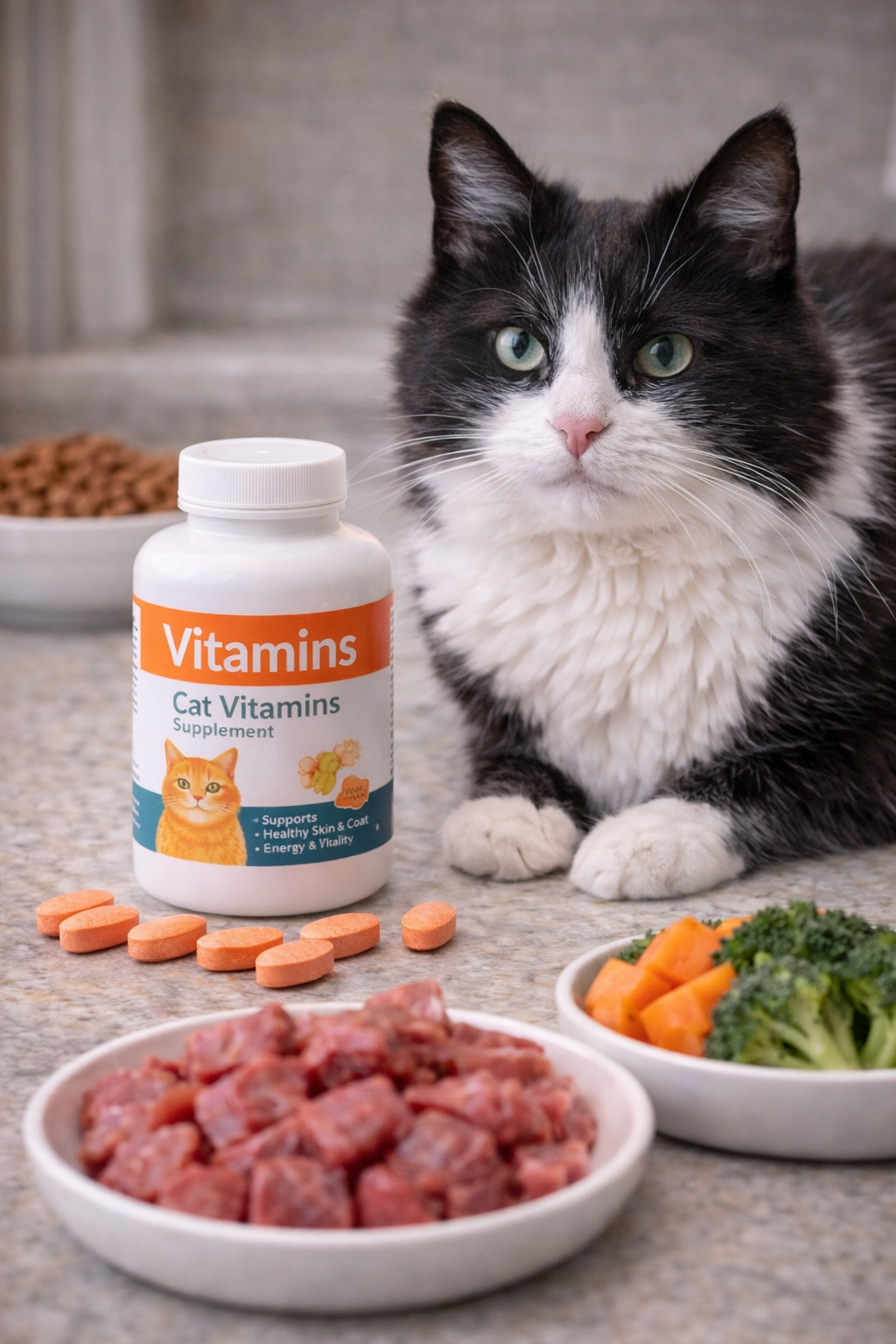
A balanced diet is essential for maintaining the health and vitality of cats. While commercial cat foods are designed to provide a complete nutritional profile, there are instances where additional supplementation might be necessary to meet your feline friend’s specific needs. Vitamins play a critical role in various bodily functions, from immune support to bone health, and ensuring your cat receives the right vitamins is crucial for their overall well-being. This article delves into the essential cat supplement vitamins that contribute to optimal health.
Understanding Cat Nutritional Needs
Cats are obligate carnivores, which means their diet primarily consists of meat. Unlike omnivores, such as humans and dogs, cats have evolved to metabolize a diet rich in proteins and fats, with minimal carbohydrates. This unique dietary requirement influences the types of vitamins and nutrients they need. While a high-quality commercial cat food should provide a complete range of nutrients, various factors such as age, health conditions, and lifestyle may necessitate additional vitamin supplements.
Essential Vitamins for Cats
Vitamin A
Vitamin A is vital for maintaining healthy vision, skin, and immune function in cats. It is found naturally in animal tissues, such as liver and fish oils. Unlike some animals, cats are unable to convert beta-carotene from plant sources into vitamin A, making animal-based sources essential. A deficiency in vitamin A can lead to night blindness, skin issues, and a weakened immune system. However, it is crucial to ensure proper dosing, as excessive vitamin A can lead to toxicity and health problems.
Vitamin D
Vitamin D, often referred to as the “sunshine vitamin,” plays a critical role in calcium and phosphorus regulation, which are essential for bone health. Cats cannot synthesize vitamin D from sunlight efficiently, so they must obtain it through their diet. Foods rich in vitamin D include fish and liver. A deficiency can result in bone disorders, while excessive intake can lead to hypercalcemia, a condition characterized by elevated calcium levels in the blood.
Vitamin E
Vitamin E acts as a powerful antioxidant, protecting cells from oxidative damage. It supports healthy skin and coat, and contributes to immune function. Cats require vitamin E to prevent conditions such as steatitis, also known as yellow fat disease, which is caused by the oxidation of fats in the body. Sources of vitamin E include animal fats and certain oils. Supplementation may be necessary if a cat’s diet is high in polyunsaturated fats, which can increase the demand for this vitamin.
Vitamin K
Vitamin K is crucial for blood coagulation and bone metabolism. While cats can synthesize some vitamin K through intestinal bacteria, dietary sources are still important. Leafy greens, liver, and fish are good sources. Vitamin K deficiencies in cats are rare but can occur due to ingestion of certain toxins or medications that interfere with its absorption and utilization. Symptoms of deficiency include prolonged bleeding and poor wound healing.
B Vitamins
The B vitamin complex includes several vitamins, each with specific roles in maintaining health:
- Thiamine (B1): Essential for carbohydrate metabolism and neurological function. Deficiency can lead to neurological issues and poor appetite.
- Riboflavin (B2): Supports energy production and cellular function.
- Niacin (B3): Important for skin health, digestion, and nerve function. Cats have a higher requirement for niacin compared to dogs.
- Pantothenic Acid (B5): Involved in energy metabolism and synthesis of coenzyme A.
- Pyridoxine (B6): Crucial for amino acid metabolism and red blood cell production.
- Biotin (B7): Supports skin, coat, and nail health.
- Folate (B9): Necessary for DNA synthesis and repair.
- Cobalamin (B12): Important for nerve function and red blood cell production.
Each of these vitamins plays a role in maintaining a cat’s energy levels, metabolism, and overall health. Deficiencies in B vitamins can lead to a range of issues, including anemia, skin disorders, and neurological problems.
When to Consider Vitamin Supplements for Cats
While many cats thrive on a balanced commercial diet, certain circumstances may warrant vitamin supplementation:
- Aging Cats: Older cats may have altered nutritional needs and may benefit from supplements that support joint health, cognitive function, and overall vitality.
- Special Dietary Needs: Cats with specific health conditions, such as kidney disease or digestive issues, may require tailored vitamin supplementation.
- Homemade Diets: If you’re preparing homemade meals for your cat, it can be challenging to ensure a complete nutritional profile. Vitamin supplements can help fill any gaps.
- Pregnant or Nursing Cats: These cats have increased nutritional demands and may benefit from additional vitamins to support fetal development and milk production.
Choosing the Right Vitamin Supplement for Your Cat
When considering vitamin supplements for your cat, it’s essential to consult with a veterinarian. They can help determine if supplementation is necessary and recommend the appropriate products and dosages. Factors to consider when choosing a supplement include:
- Quality: Opt for high-quality supplements from reputable manufacturers to ensure safety and efficacy.
- Formulation: Look for products specifically formulated for cats, as their nutritional requirements differ from other animals.
- Dosage: Follow the recommended dosage guidelines provided by the manufacturer and your veterinarian to avoid over-supplementation.
Potential Risks of Over-Supplementation
While vitamins are crucial for health, more is not always better. Over-supplementation can lead to toxicity and adverse health effects. For instance, excessive vitamin A can cause joint pain and bone deformities, while too much vitamin D can result in kidney damage. It’s essential to adhere to recommended dosages and regularly monitor your cat’s health with the guidance of a veterinarian.
Conclusion
Vitamins play a vital role in maintaining the health and well-being of cats. While a complete and balanced diet should provide all the necessary nutrients, certain circumstances may require additional supplementation. By understanding the essential vitamins for cats and consulting with a veterinarian, you can ensure that your feline companion receives the optimal nutrition they need to thrive. Always prioritize quality and appropriate dosing to avoid potential risks associated with over-supplementation. Your cat’s health and happiness are worth the effort to provide them with the best nutrition possible.
“`
#ChatGPT assisted in the creation of this article.


Post Comment