


Effective Solutions for Cat Play Aggression
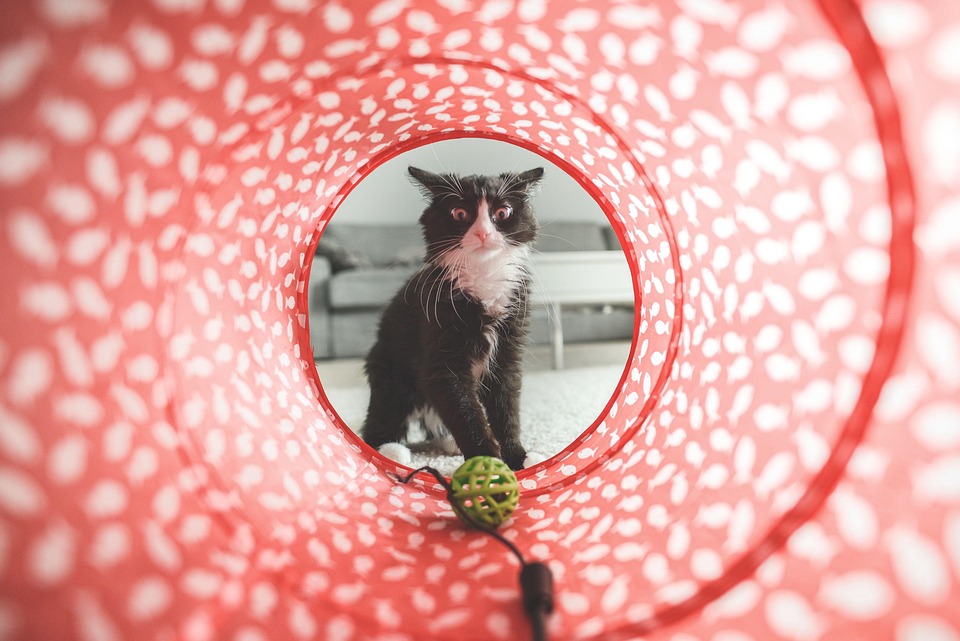
Cats are natural hunters, and their playful antics often mirror this instinctual behavior. While play is essential for a cat’s health and well-being, play aggression can sometimes become a problem, especially if it leads to injuries or stress for both the cat and the owner. Recognizing play aggression and understanding its causes is the first step towards finding effective solutions.
Identifying Play Aggression
Play aggression is a common behavior in cats, characterized by stalking, pouncing, biting, and scratching. Unlike true aggression, play aggression is not motivated by fear or anger but rather by the cat’s hunting instincts. Signs of play aggression include:
– Biting and scratching that leaves marks or draws blood.
– Dilated pupils and a focused stare.
– Ears pointed forward and tail twitching or lashing.
– A tendency to ambush or chase people or other pets.
It’s crucial to differentiate between playful behavior and aggressive behavior since the solutions vary depending on the underlying cause.
Causes of Play Aggression
Understanding the root causes of play aggression helps in developing appropriate strategies to manage it. Common causes include:
Insufficient Play
Cats, especially young ones, have high energy levels and need regular play sessions to expend their energy. Without enough physical and mental stimulation, cats may resort to play aggression to satisfy their needs.
Early Weaning
Kittens that are weaned too early often miss out on learning crucial social skills from their mother and littermates. These skills include bite inhibition and understanding the boundaries of play.
Lack of Socialization
Cats not exposed to various environments, people, and other animals during their formative months may struggle with interpreting social cues, leading to inappropriate play behaviors.
Owner Reinforcement
Sometimes, owners unintentionally reinforce aggressive play by using their hands or feet as toys. This can teach the cat that biting and scratching are acceptable forms of play.
Effective Solutions for Cat Play Aggression
Addressing play aggression involves a combination of environmental enrichment, proper training, and behavior modification techniques. Here are some effective solutions:
Provide Adequate Playtime
Engage your cat in structured play sessions twice a day, lasting 10-15 minutes each. Use interactive toys like feather wands, laser pointers, or motorized toys that mimic prey movements. This helps satisfy your cat’s hunting instincts and reduces pent-up energy that may lead to aggression.
Use Appropriate Toys
Avoid using your hands or feet as toys. Instead, provide a variety of toys, such as plush mice, balls, and puzzle feeders. Rotate toys regularly to maintain your cat’s interest and ensure they have safe, stimulating options for play.
Implement Clicker Training
Clicker training is an effective way to reinforce positive behaviors. Use a clicker to mark desirable actions, such as playing gently or responding to commands. Reward your cat with treats or affection to encourage these behaviors.
Redirect Aggressive Play
If your cat starts to play aggressively, redirect their attention to a toy. For example, if they bite or scratch, gently disengage and offer a toy to bite or bat. Consistent redirection teaches your cat that toys, not people, are for rough play.
Provide Environmental Enrichment
Enrich your cat’s environment with climbing trees, scratching posts, and perches. This gives them opportunities to explore and burn off energy. Adding bird feeders outside windows or cat-safe plants indoors can also offer visual stimulation.
Encourage Socialization
Gradually expose your cat to new people, pets, and environments to improve their social skills. Positive associations with new experiences can reduce anxiety and inappropriate behaviors. Always supervise interactions with other animals to ensure safety.
Practice Patience and Consistency
Behavior modification takes time and consistency. Avoid punishing your cat for aggressive play, as this can increase fear and anxiety, worsening the behavior. Instead, focus on positive reinforcement and patience to guide your cat towards better habits.
Consult a Professional
If play aggression persists despite your efforts, consider consulting a veterinarian or a certified animal behaviorist. They can provide tailored advice and rule out any underlying medical issues contributing to the behavior.
Conclusion
Managing cat play aggression requires a combination of understanding, patience, and proactive strategies. By providing adequate stimulation, using appropriate toys, and reinforcing positive behaviors, you can help your cat channel their energy into healthy play. Remember, each cat is unique, so it may take some trial and error to find the most effective solutions. Ultimately, a well-adjusted cat is a happier and healthier companion, benefiting both the pet and the owner.
#ChatGPT assisted in the creation of this article.


Post Comment