


Discover the Charm of British Shorthair Cats
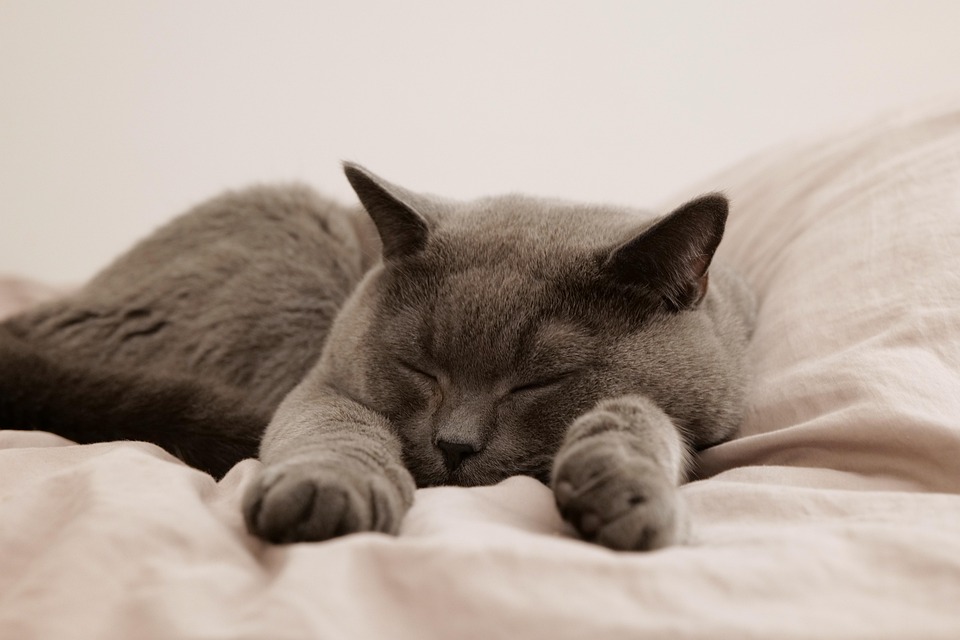
The British Shorthair cat, with its endearing appearance and captivating personality, has long been a favorite among cat enthusiasts. Known for their dense, plush coats and round faces, these cats exude an irresistible charm that makes them one of the most popular breeds worldwide. This article delves into the unique characteristics, history, and care requirements of British Shorthairs, inviting you to discover the allure of this remarkable feline companion.
The Distinctive Appearance of British Shorthairs
One of the most striking features of the British Shorthair is its robust and muscular build, which gives it a powerful yet cuddly appearance. These cats have a broad chest, short legs, and a thick tail, contributing to their solid and well-proportioned physique. Their large, round eyes are often copper or gold, though some have stunning blue or green eyes, especially in color-point variations.
The British Shorthair’s coat is one of its most defining characteristics. It is short, dense, and plush, resembling soft velvet to the touch. The breed is most famously known for its “British Blue” coat, a beautiful shade of bluish-gray. However, British Shorthairs come in a wide range of colors and patterns, including black, white, cream, red, and various tabby and tortoiseshell patterns.
The Rich History of British Shorthairs
The history of the British Shorthair is as rich as its plush coat. This breed traces its origins back to the domestic cats of Rome, which were brought to Britain by Roman invaders. Over centuries, these cats adapted to the British climate, developing thick coats and robust bodies. They were primarily used for their hunting skills, keeping barns and homes free of rodents.
In the 19th century, breeders began to recognize the potential of these cats as show animals. Harrison Weir, known as the “Father of the Cat Fancy,” was instrumental in organizing the first cat show in 1871 at the Crystal Palace in London, where British Shorthairs were exhibited. The breed gained popularity and became a staple in the emerging world of cat shows.
However, the two World Wars took a toll on the breed’s population. Post-war breeding programs incorporated other breeds, such as Persians, to revitalize the British Shorthair gene pool. This led to the modern look of the British Shorthair, which is admired and loved by cat fanciers today.
The Temperament of British Shorthairs
British Shorthairs are known for their calm and easygoing temperament. These cats are typically independent yet affectionate, making them ideal companions for a variety of households. They are not overly demanding of attention, preferring to be near their human companions rather than on them. This makes them well-suited to families with children or other pets.
While not typically lap cats, British Shorthairs enjoy being part of family life and will often follow their owners from room to room. They are intelligent and curious, enjoying interactive play but also content to entertain themselves. Their laid-back nature means they adapt well to indoor living, though they still appreciate opportunities for exploration and play.
Caring for Your British Shorthair
Grooming Requirements
Despite their dense coats, British Shorthairs require relatively low maintenance compared to long-haired breeds. A weekly brush will help to remove loose hairs and reduce shedding, keeping the coat in top condition. During seasonal changes, more frequent grooming may be necessary to manage increased shedding.
Diet and Nutrition
Like all cats, British Shorthairs require a balanced diet rich in protein. High-quality commercial cat food, whether wet or dry, will provide the necessary nutrients. It’s important to monitor their weight, as British Shorthairs can be prone to obesity due to their stocky build and love of relaxation. Regular exercise and portion control are key to maintaining a healthy weight.
Health Considerations
British Shorthairs are generally healthy cats with a lifespan of 12 to 20 years. However, they are prone to certain genetic conditions such as hypertrophic cardiomyopathy (HCM), a heart disease common in many purebred cats. Regular veterinary check-ups are essential to monitor their health and catch any potential issues early.
The Joy of Owning a British Shorthair
Owning a British Shorthair is a rewarding experience. Their balanced temperament and striking appearance provide endless joy to their owners. These cats are known for their loyalty and often form strong bonds with their human families. They are the perfect blend of independence and affection, making them delightful companions for both individuals and families.
Additionally, British Shorthairs are relatively quiet cats, with soft voices and gentle purrs that add to their charm. They are not prone to excessive vocalization, which is appreciated by those who prefer a more peaceful household.
Conclusion
The British Shorthair cat is a breed that embodies the best of feline qualities: beauty, intelligence, and a wonderfully balanced temperament. Their rich history and distinctive appearance make them a captivating choice for cat lovers everywhere. Whether you’re seeking a loyal companion or a charming addition to your family, the British Shorthair is sure to capture your heart with its dignified elegance and warm disposition. Discover the charm of British Shorthairs and experience the joy of welcoming one into your home.
#ChatGPT assisted in the creation of this article.


Post Comment