


Boost Your Cat’s Health: Benefits of Wet Food
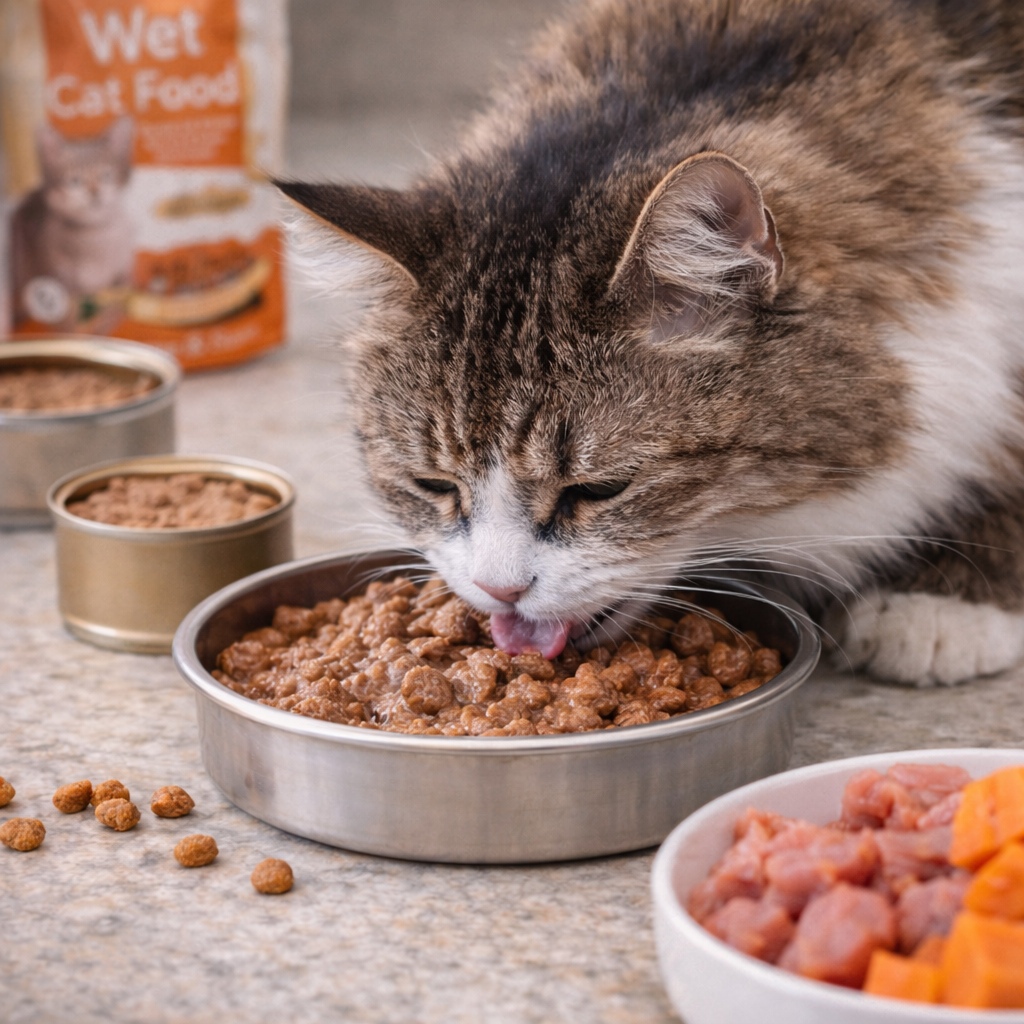
Cats are cherished members of many families, and ensuring their well-being is a top priority for pet owners. One significant aspect of feline health care is diet. While dry kibble has traditionally dominated cat food offerings, wet food is gaining recognition for its numerous health benefits. This article explores the advantages of feeding your cat wet food and how it can contribute to a healthier, happier life for your feline friend.
Understanding Wet Food for Cats
Wet food, also known as canned food, is typically composed of higher moisture content than dry kibble. It is often made from meat, fish, or poultry, and its texture varies from pâté to chunks in gravy. This type of food closely resembles what cats would naturally consume in the wild, as it is rich in animal protein and moisture.
The Nutritional Composition
Wet cat food usually contains higher levels of protein and fat, which are essential for a cat’s diet. Cats are obligate carnivores, meaning they require a diet primarily composed of meat. Wet food delivers these nutrients effectively, often with fewer carbohydrates than dry food. The high moisture content also supports hydration, which is crucial for overall health.
Benefits of Wet Food for Cats
1. Hydration and Kidney Health
Hydration is vital for cats, as they naturally have a low thirst drive. In the wild, they obtain most of their water intake from their prey. This instinct doesn’t change domestically, so cats fed primarily dry food may not drink enough water, leading to dehydration. Wet food, with its high moisture content, helps maintain proper hydration levels, supporting kidney function and reducing the risk of urinary tract issues.
2. Weight Management
Obesity is a common health problem in cats, leading to a range of other issues such as diabetes and arthritis. Wet food can aid in weight management due to its lower calorie density compared to dry kibble. The high moisture content makes it more filling, so cats often consume fewer calories while maintaining a feeling of fullness, aiding in weight control.
3. Improved Digestion
Wet food’s high moisture content and softer texture are easier for cats to digest than dry kibble. This can be particularly beneficial for older cats or those with dental issues, as it reduces the strain on their digestive systems. Additionally, the high-quality proteins found in wet food can promote better digestion, leading to healthier stool and less digestive distress.
4. Enhanced Palatability
Cats can be notoriously finicky eaters, and their preferences can change without warning. Wet food is typically more aromatic and flavorful than dry kibble, which can stimulate a cat’s appetite. For cats that are sick, recovering from surgery, or just picky eaters, the enhanced palatability of wet food can encourage them to eat more, ensuring they receive the necessary nutrients.
5. Dental Health
While dry kibble is often touted for its dental benefits, it may not be as effective as once thought. Many cats swallow kibble whole, missing out on the abrasive action that would clean their teeth. Wet food, although softer, doesn’t contribute to tartar build-up and can be supplemented with dental treats or toys to maintain oral health.
6. Increased Protein Intake
As obligate carnivores, cats require diets rich in animal protein. Wet food typically offers higher protein content than many dry foods. This is crucial for maintaining muscle mass, supporting a healthy immune system, and providing the energy cats need for their daily activities.
Choosing the Right Wet Food
1. Check the Ingredients
When selecting wet food, it’s essential to read the ingredient list carefully. Look for foods where high-quality animal proteins are the first ingredients. Avoid products with excessive fillers, artificial preservatives, and by-products. The fewer the ingredients, the better, as this often indicates a more natural and nutritious food.
2. Consider Your Cat’s Specific Needs
Cats have unique dietary requirements based on age, activity level, and health status. Kittens, adult cats, and seniors all have different nutritional needs. Choose a wet food formula appropriate for your cat’s life stage and consult with your veterinarian if your cat has specific health issues, such as allergies or digestive problems.
3. Balance with Dry Food
While wet food offers numerous benefits, some cat owners prefer to feed a combination of wet and dry food. This method can provide the benefits of both types of food, ensuring a well-rounded diet. If you opt for a mixed approach, ensure that the daily caloric intake meets your cat’s needs and adjust portions accordingly.
Transitioning to Wet Food
Cats can be creatures of habit, and switching their diet may require patience. Start by gradually mixing small amounts of wet food with their current diet. Over a week or two, increase the proportion of wet food while reducing the dry food. Monitor your cat for any digestive upset during the transition and adjust the pace accordingly.
Conclusion
Incorporating wet food into your cat’s diet can offer numerous health benefits, from improved hydration and digestion to better weight management and enhanced palatability. By understanding the advantages and selecting high-quality options, you can contribute to your feline friend’s long-term health and happiness. Always consult with your veterinarian when making significant changes to your cat’s diet to ensure that the chosen food aligns with their specific needs. With thoughtful choices, you can boost your cat’s health and enhance their overall quality of life.
#ChatGPT assisted in the creation of this article.


Post Comment