


Understanding Cat Obesity: Hidden Health Risks Revealed
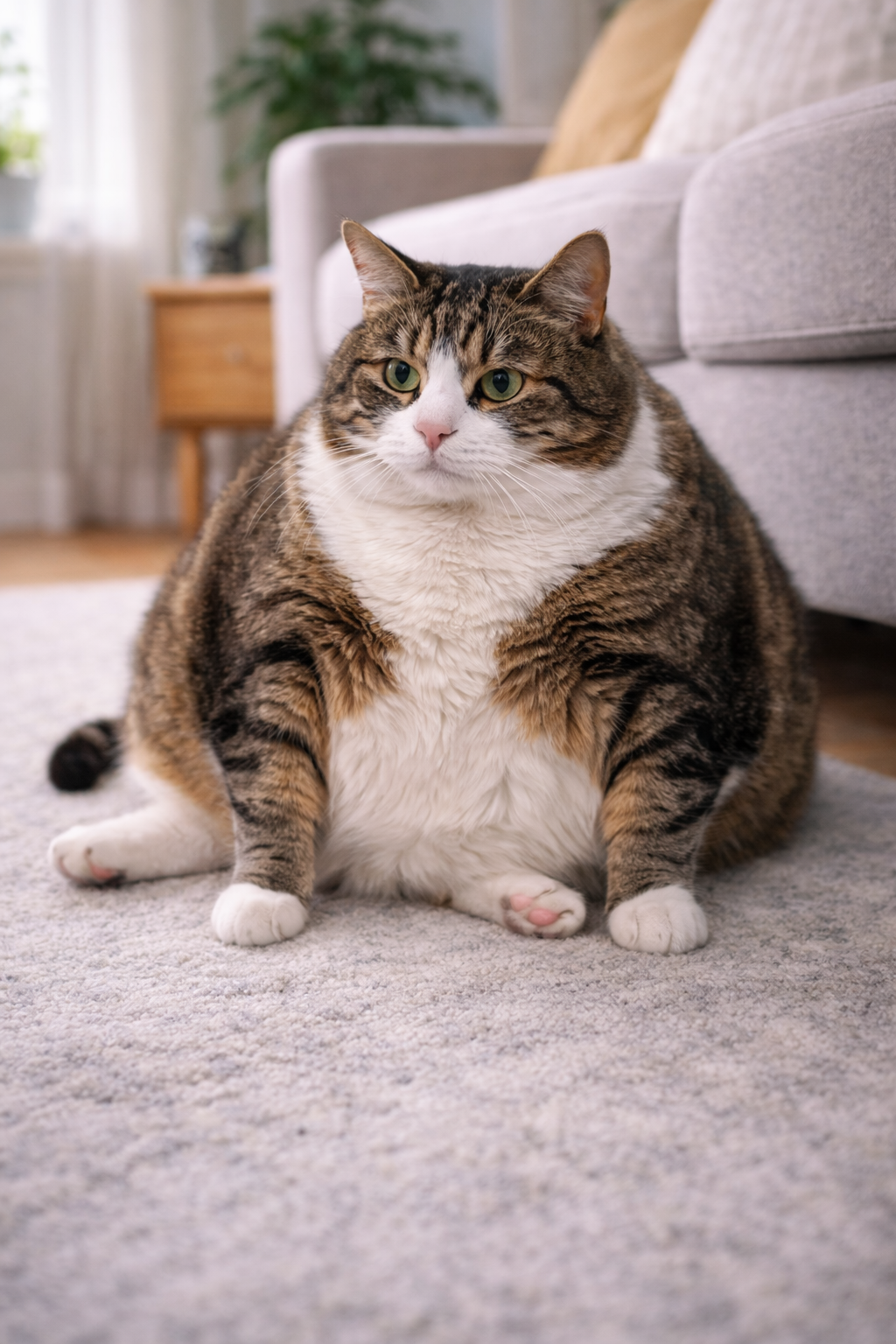
As cherished members of our families, cats bring joy and companionship into our lives. However, like humans, they are not immune to health challenges. One such challenge that has been increasingly recognized in recent years is obesity. Understanding cat obesity is crucial for pet owners, as it not only affects a cat’s quality of life but also poses significant health risks. This article will delve into the causes, hidden health risks, and management of cat obesity to help you ensure your feline friend leads a healthy and happy life.
What is Cat Obesity?
Cat obesity is defined as an excessive accumulation of body fat that poses a risk to a cat’s health. Veterinary professionals typically consider a cat obese when it is 20% or more above its ideal body weight. Obesity in cats is a growing concern, with studies suggesting that approximately 50% of domestic cats are overweight or obese. This condition is not just an aesthetic issue, but a serious health concern that can predispose cats to numerous health problems.
Causes of Cat Obesity
Poor Diet
A poor diet is one of the leading causes of obesity in cats. Feeding cats high-calorie foods, excessive treats, or table scraps can contribute to weight gain. Cats are obligate carnivores, meaning their diet should be rich in protein. However, many commercially available cat foods contain high amounts of carbohydrates and fillers, which can lead to obesity if consumed in large quantities.
Lack of Exercise
Domesticated cats often lead sedentary lifestyles, especially those living indoors. Lack of physical activity can lead to weight gain, as calories consumed are not adequately burned off. Unlike their outdoor counterparts, indoor cats may not have the opportunity or motivation to engage in natural hunting and play behaviors that keep them fit.
Medical Conditions
Certain medical conditions, such as hypothyroidism or Cushing’s disease, can contribute to weight gain in cats. It is important to rule out these conditions with a veterinarian if your cat is gaining weight despite a healthy diet and exercise regimen.
Genetic Predisposition
Some cat breeds are more prone to obesity due to their genetic makeup. Breeds like the Maine Coon, Persian, and British Shorthair are more likely to gain weight compared to other breeds.
Hidden Health Risks of Cat Obesity
Diabetes Mellitus
Obesity is a significant risk factor for the development of diabetes mellitus in cats. Excess body fat can lead to insulin resistance, which impairs the body’s ability to regulate blood sugar levels. Cats with diabetes may require lifelong treatment, including insulin injections and dietary management.
Arthritis and Joint Problems
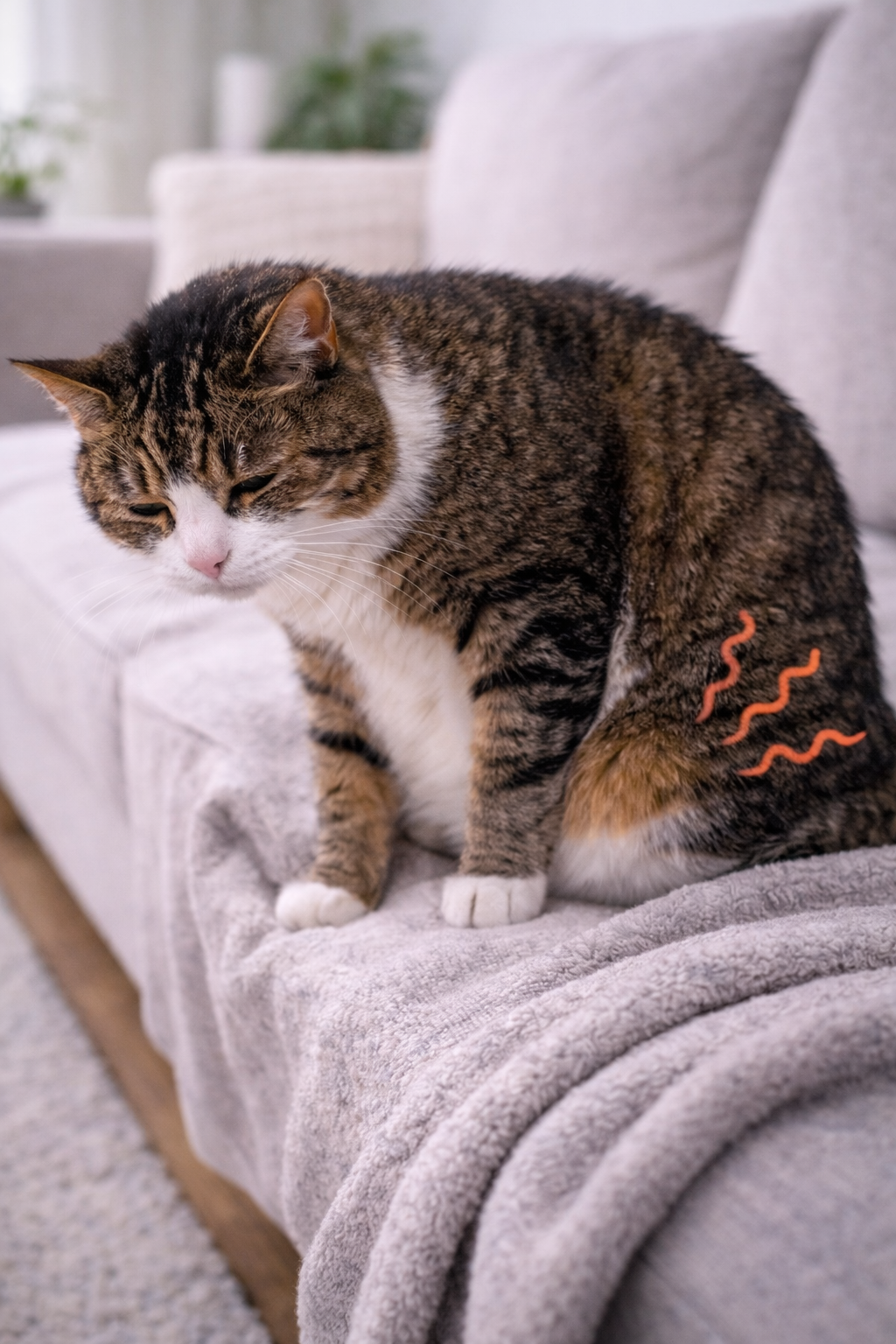
Excess weight puts additional stress on a cat’s joints, leading to arthritis and other joint problems. This can cause pain, decreased mobility, and a lower quality of life. Managing a cat’s weight can help alleviate these issues and improve overall joint health.
Cardiovascular Issues
Obesity increases the risk of cardiovascular problems in cats, including hypertension and heart disease. Excess fat can lead to the buildup of plaque in arteries, increasing the risk of heart attacks and strokes.
Respiratory Problems
Overweight cats may experience difficulty breathing due to excess fat around the chest and abdomen, which can restrict lung expansion. This can lead to a decrease in oxygen supply to vital organs and overall reduced stamina and energy levels.
Liver Disease
Obese cats are at higher risk for hepatic lipidosis, a serious liver condition. When an overweight cat suddenly loses weight, fat is mobilized to the liver, which can overwhelm its function and lead to liver failure.
Managing Cat Obesity
Consult a Veterinarian
If you suspect your cat is overweight or obese, the first step is to consult a veterinarian. They can help determine your cat’s ideal weight and develop a safe and effective weight loss plan. This plan may include dietary changes, increased physical activity, and regular monitoring of your cat’s progress.
Implement a Balanced Diet
Feeding your cat a balanced, portion-controlled diet is crucial for weight management. Look for high-quality cat foods that are rich in protein and low in carbohydrates. Avoid feeding excessive treats or human food, and ensure you measure portions according to your veterinarian’s recommendations.
Encourage Physical Activity
Increasing your cat’s physical activity can help burn calories and promote weight loss. Engage your cat in playtime using toys that encourage jumping, chasing, and pouncing. Interactive toys, laser pointers, and even creating an obstacle course can stimulate your cat’s natural hunting instincts and promote exercise.
Monitor Progress
Regularly monitor your cat’s weight and body condition to ensure they are progressing towards their weight loss goals. Adjust their diet and exercise regimen as needed, and keep your veterinarian informed of any changes or concerns.
Conclusion
Understanding the hidden health risks of cat obesity is vital for any pet owner. By recognizing the causes and taking proactive measures to manage your cat’s weight, you can help prevent serious health issues and ensure your feline companion enjoys a long, healthy life. Remember, maintaining a healthy weight is not just about aesthetics; it’s about promoting overall wellness and quality of life for your beloved pet.
#ChatGPT assisted in the creation of this article.





Post Comment