


Top Causes of Unexpected Cat Weight Loss
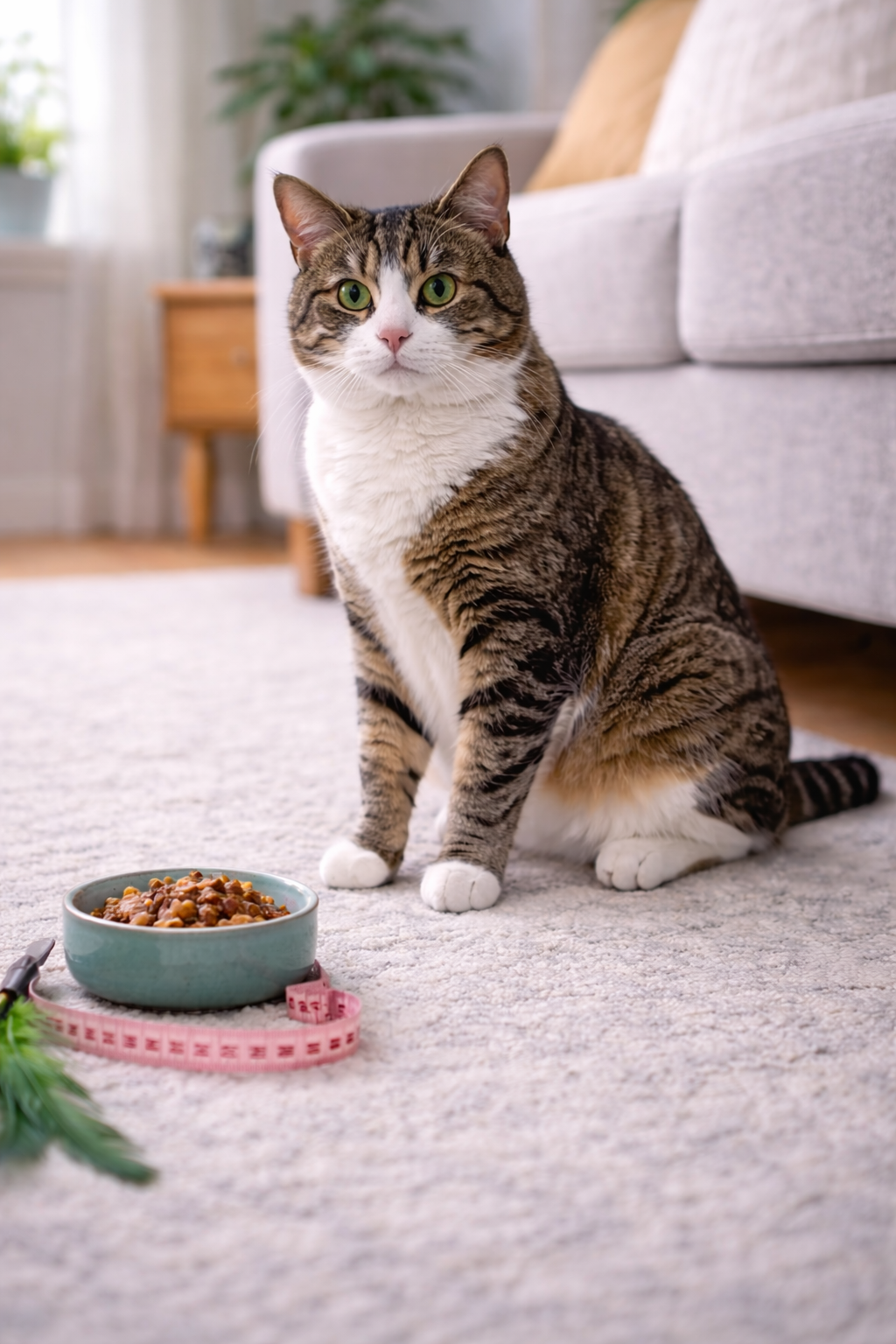
Unexpected weight loss in cats can be a concerning symptom for pet owners. It’s essential to understand that while some weight fluctuations can be normal, significant or rapid weight loss often indicates an underlying health issue. In this article, we’ll explore the top causes of unexpected weight loss in cats, helping you to identify potential problems and seek appropriate veterinary care.
Parasites
Intestinal Parasites
Intestinal parasites, such as worms, are common in cats and can lead to weight loss. These parasites consume the nutrients that your cat needs to maintain a healthy body weight. Common types include roundworms, hookworms, and tapeworms. Symptoms of an infestation may include a bloated belly, vomiting, diarrhea, and a dull coat. Regular deworming and fecal examinations by your veterinarian can help prevent and treat this issue.
Hyperthyroidism
Hyperthyroidism is a condition where the thyroid gland produces an excess amount of thyroid hormones. This overproduction increases the cat’s metabolism, leading to weight loss despite an increased appetite. Other symptoms include increased thirst, hyperactivity, and a change in coat condition. This condition is most common in older cats and can be diagnosed through blood tests. Treatment options include medication, radioactive iodine therapy, and dietary management.
Diabetes Mellitus
Diabetes mellitus is a metabolic disorder characterized by high blood sugar levels. In cats, it often manifests as weight loss despite an increased appetite. Other symptoms include increased thirst, frequent urination, and lethargy. Diabetes requires lifelong management, which can involve insulin injections, dietary changes, and regular monitoring of blood glucose levels. Early diagnosis is crucial for effective management and to prevent complications.
Kidney Disease
Chronic kidney disease (CKD) is a common condition in older cats and can lead to weight loss. The kidneys are responsible for filtering waste products from the blood, and when they don’t function properly, these waste products build up, leading to a reduction in appetite and weight loss. Other symptoms of CKD include increased thirst, frequent urination, vomiting, and bad breath. Blood and urine tests can help diagnose this condition, and management typically includes dietary changes and medication to support kidney function.
Gastrointestinal Disorders
Inflammatory Bowel Disease (IBD)
Inflammatory bowel disease is a chronic condition that causes inflammation in the gastrointestinal tract. This can lead to weight loss, vomiting, diarrhea, and changes in appetite. The exact cause of IBD is unknown, but it may be related to an abnormal immune response to dietary or environmental factors. Diagnosis usually involves a combination of blood tests, imaging, and sometimes a biopsy. Treatment often includes dietary management, anti-inflammatory medications, and sometimes antibiotics.
Pancreatitis
Pancreatitis is an inflammation of the pancreas, which plays a crucial role in digestion and insulin production. In cats, pancreatitis can be acute or chronic and may lead to weight loss, anorexia, vomiting, and lethargy. The condition can be challenging to diagnose, often requiring blood tests, ultrasounds, and sometimes exploratory surgery. Treatment focuses on supportive care, including fluid therapy, pain management, and dietary modifications.
Dental Problems
Dental disease is a common issue in cats and can lead to significant weight loss due to pain and difficulty eating. Common dental problems include gingivitis, periodontal disease, and tooth resorption. Symptoms may include bad breath, drooling, pawing at the mouth, and a decrease in appetite. Regular dental check-ups and cleanings are essential for preventing and managing dental disease.
Cancer
Cancer can affect cats of any age, but it is more common in older cats. Weight loss is often one of the first signs of cancer, although it can be accompanied by a range of other symptoms depending on the type and location of the cancer. These symptoms may include lumps, changes in appetite, vomiting, diarrhea, and lethargy. Diagnosis usually involves a combination of physical examination, imaging, and biopsy. Treatment options vary widely depending on the type and stage of cancer and can include surgery, chemotherapy, and radiation therapy.
Liver Disease
Liver disease can lead to weight loss in cats due to a decrease in appetite and the liver’s reduced ability to process nutrients. Symptoms of liver disease can include jaundice (yellowing of the skin and eyes), vomiting, diarrhea, and changes in behavior. Blood tests, ultrasounds, and liver biopsies are often used to diagnose liver disease. Management typically involves dietary changes, medications, and supportive care to help improve liver function.
Stress and Anxiety
Cats are sensitive creatures, and changes in their environment or routine can lead to stress and anxiety, resulting in weight loss. Common stressors include moving to a new home, the introduction of a new pet, or changes in the household. Signs of stress in cats can include hiding, changes in grooming habits, and a decrease in appetite. Addressing the underlying cause of stress and providing a stable, enriched environment can help manage this issue.
Conclusion
Unexpected weight loss in cats is a symptom that should never be ignored. While some causes are more serious than others, early detection and diagnosis are crucial for effective treatment and management. If your cat is losing weight unexpectedly, it’s essential to consult a veterinarian to determine the underlying cause and appropriate course of action. Regular veterinary check-ups, a balanced diet, and a stable environment are key to maintaining your cat’s health and well-being.
“`
#ChatGPT assisted in the creation of this article.






Post Comment