


Essential Cat Vaccination Schedule for Optimal Health
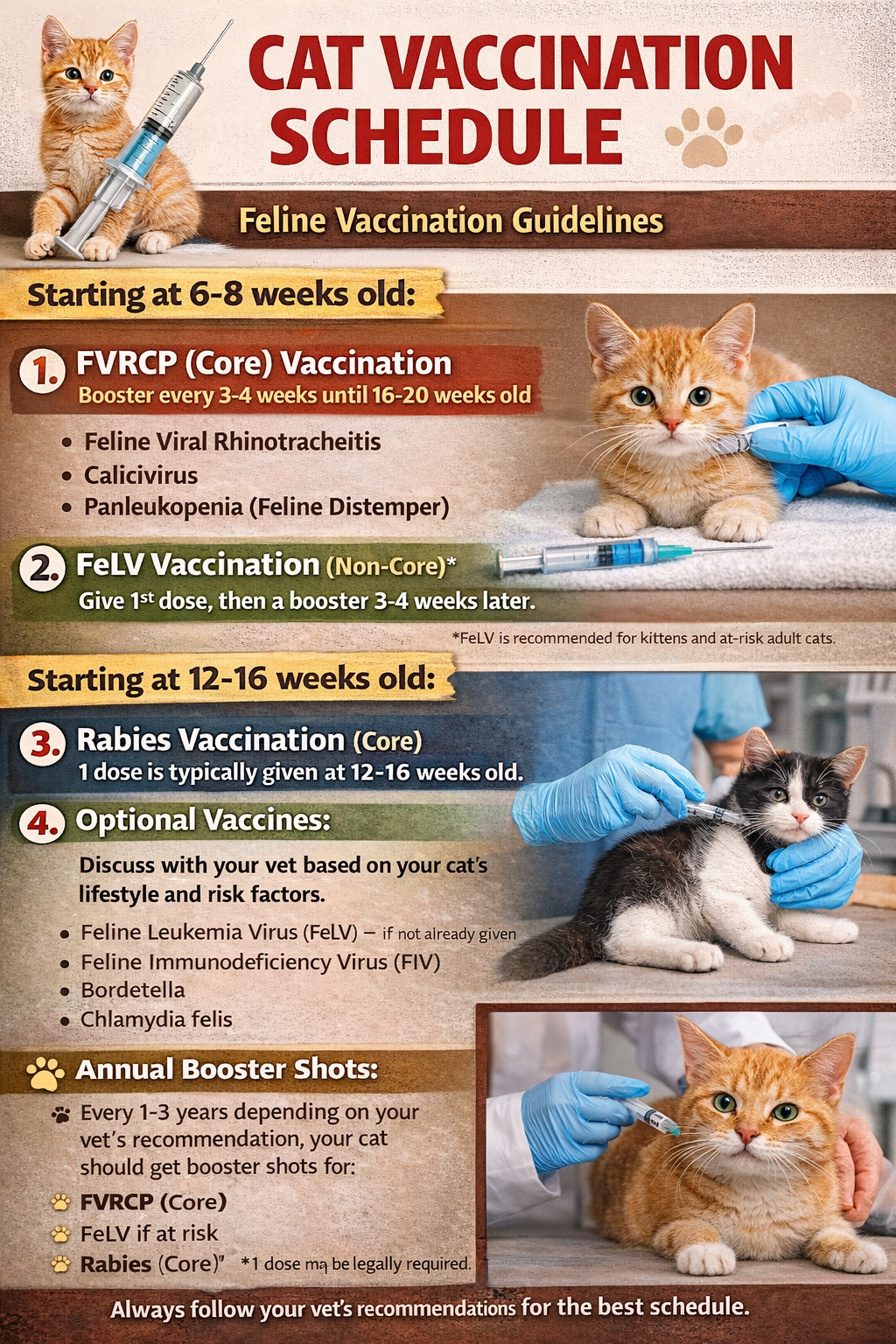
Cats, like humans, require protection against various diseases to live a long and healthy life. Vaccinations play a critical role in safeguarding your feline friend from potentially life-threatening conditions. A well-structured vaccination schedule is essential for optimal health, ensuring that cats receive timely and effective protection against common and serious illnesses. In this article, we explore the necessary vaccinations for cats, their schedule, and the importance each vaccine holds in maintaining your cat’s well-being.
The Importance of Vaccinations
Vaccinations help prepare your cat’s immune system to fight off specific infectious agents. By introducing an antigen, which is a harmless component of the microbe, vaccines stimulate the cat’s immune system to recognize and combat the disease-causing organism. This process provides immunity against the disease if the cat is exposed to it in the future. Vaccinations are crucial not only for individual cat health but also for community health, as they prevent the spread of contagious diseases.
Core vs. Non-Core Vaccines
Vaccines for cats are categorized into two groups: core and non-core. Core vaccines are considered essential for all cats, regardless of their lifestyle, because they protect against diseases that are widespread and pose a severe threat to feline health. Non-core vaccines are recommended based on the cat’s individual risk factors, such as geographic location and lifestyle.
Core Vaccines
– **Feline Panleukopenia (FPV):** Also known as feline distemper, FPV is a highly contagious viral disease that can be fatal, especially in kittens. It affects the gastrointestinal tract, bone marrow, and immune cells, leading to severe dehydration, diarrhea, and immunosuppression.
– **Feline Herpesvirus (FHV-1):** This virus causes feline viral rhinotracheitis (FVR), a major cause of upper respiratory infections in cats. Symptoms include sneezing, nasal discharge, and conjunctivitis.
– **Feline Calicivirus (FCV):** Another cause of upper respiratory infections, FCV can also lead to oral ulcers and, in severe cases, pneumonia. The virus is highly contagious among cats.
– **Rabies:** A fatal viral disease that affects the nervous system of mammals, including humans. Rabies vaccination is often legally required and critical for public health.
Non-Core Vaccines
– **Feline Leukemia Virus (FeLV):** FeLV is a retrovirus that can cause anemia, immunosuppression, and lymphoma. It is transmitted through saliva and nasal secretions. Vaccination is recommended for cats at risk of exposure.
– **Feline Immunodeficiency Virus (FIV):** Similar to HIV in humans, FIV affects the immune system. The vaccine is controversial and not universally recommended, as it interferes with FIV testing.
– **Bordetella Bronchiseptica:** This bacterium causes respiratory illness in cats, particularly in those that are housed in close quarters, such as shelters or boarding facilities.
– **Chlamydophila Felis:** This bacterium causes conjunctivitis and respiratory issues. The vaccine is often recommended for multi-cat households or catteries.
Vaccination Schedule for Kittens
Kittens are particularly vulnerable to infectious diseases, making it crucial to start vaccinations early. The following is a general guideline for a kitten vaccination schedule:
6-8 Weeks Old
– **FVRCP Vaccine:** The first dose of the combination vaccine that protects against Feline Viral Rhinotracheitis, Calicivirus, and Panleukopenia.
10-12 Weeks Old
– **FVRCP Booster:** A second dose to boost immunity.
– **FeLV Vaccine:** Recommended if the kitten is at risk of exposure to FeLV.
14-16 Weeks Old
– **FVRCP Final Booster:** The third dose completes the initial series.
– **Rabies Vaccine:** Administered at this age, as required by law in many areas.
16-20 Weeks Old
– **FeLV Booster:** If the initial FeLV vaccine was given, a booster is necessary.
Vaccination Schedule for Adult Cats
Adult cats require periodic booster vaccinations to maintain immunity. The frequency of these boosters depends on the specific vaccine and the cat’s risk factors.
FVRCP Vaccine
– Administered every 1-3 years, depending on the vaccine formulation and the cat’s lifestyle.
Rabies Vaccine
– Booster shots are typically required every 1-3 years, based on local regulations and vaccine type.
FeLV Vaccine
– Annual boosters are recommended for cats at risk of exposure.
Special Considerations
– **Indoor vs. Outdoor Cats:** Indoor cats may have different vaccination needs compared to outdoor cats due to their exposure risk. Consult with your veterinarian to tailor a vaccination plan that best suits your cat’s lifestyle.
– **Health Status:** Cats with pre-existing health conditions or weakened immune systems may require special vaccination considerations. Always discuss your cat’s health status with your veterinarian before proceeding with vaccinations.
– **Age and Breed:** Some breeds may be more susceptible to certain diseases, and older cats might have different vaccination needs. Your veterinarian can provide insights specific to your cat’s breed and age.
Potential Side Effects
While vaccines are generally safe, some cats may experience mild side effects, such as lethargy, mild fever, or localized swelling at the injection site. Severe reactions are rare but can occur, including allergic reactions or anaphylaxis. It’s essential to monitor your cat after vaccination and consult your veterinarian if you notice any concerning symptoms.
Conclusion
A well-structured vaccination schedule is crucial for protecting your cat against infectious diseases and ensuring optimal health. By adhering to recommended vaccine guidelines and consulting with your veterinarian, you can provide your feline companion with the best defense against disease threats. Remember, every cat is unique, and their vaccination needs may vary based on lifestyle, health status, and environmental factors. Stay informed and proactive about your cat’s vaccinations to ensure a healthy and happy life for your beloved pet.
#ChatGPT assisted in the creation of this article.






Post Comment