


The Allure of Ragdoll Cats: A Complete Guide
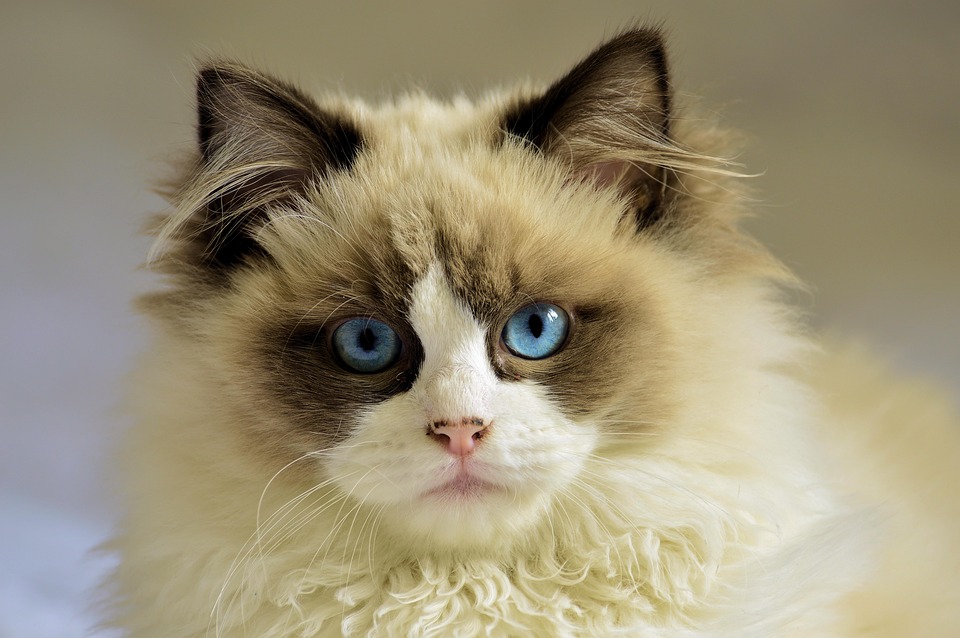
Ragdoll cats have captured the hearts of many with their striking blue eyes, luxurious coats, and docile temperaments. Known for their affectionate nature and gentle demeanor, these feline companions are a favorite among cat lovers worldwide. In this comprehensive guide, we will explore the unique characteristics, history, and care requirements of Ragdoll cats, shedding light on why they continue to enchant cat enthusiasts.
The Origins of Ragdoll Cats
The Ragdoll breed was developed in the 1960s by Ann Baker, a breeder in Riverside, California. The foundation cat, a domestic long-haired white cat named Josephine, was bred with various other cats to produce the first Ragdolls. Baker was meticulous in her breeding program, selecting for traits that would define the breed, such as their affectionate nature and striking appearance.
The breed’s name, “Ragdoll,” comes from their tendency to go limp when picked up, resembling a floppy ragdoll toy. This characteristic, combined with their placid nature, makes them an ideal pet for families and individuals seeking a calm and loving companion.
Physical Characteristics
Appearance
Ragdoll cats are large and muscular, with males typically weighing between 15 to 20 pounds and females ranging from 10 to 15 pounds. They have a semi-long, plush coat that requires regular grooming to maintain its beauty. The coat comes in a variety of colors and patterns, including colorpoint, mitted, and bicolor. Despite their luxurious fur, Ragdolls are known for having relatively low shedding compared to other long-haired breeds.
Eye Color
One of the most captivating features of Ragdoll cats is their vivid blue eyes. This striking eye color is a hallmark of the breed and adds to their enchanting appearance. The intensity of the blue can vary, but it remains a defining trait that distinguishes Ragdolls from other cats.
Temperament and Personality
Affectionate and Social
Ragdolls are renowned for their friendly and affectionate nature. They often seek human interaction and enjoy being part of the family. Known as “puppy-like” in their behavior, Ragdolls are known to follow their owners around the house and enjoy being involved in daily activities. Their gentle disposition makes them excellent companions for children and other pets.
Laid-back and Adaptable
Unlike some breeds that can be aloof or independent, Ragdolls are remarkably laid-back and adaptable. They are not easily stressed by changes in their environment and typically adjust well to new homes and routines. This calm demeanor makes them suitable for a variety of living situations, whether in a bustling household or a quieter setting.
Caring for Your Ragdoll Cat
Diet and Nutrition
Providing a balanced diet is essential for the health and well-being of your Ragdoll cat. High-quality commercial cat food that meets the nutritional needs of the breed is recommended. It’s important to monitor their weight, as Ragdolls can be prone to obesity due to their sedentary lifestyle. Consult with your veterinarian to determine the appropriate feeding schedule and portion size for your cat.
Grooming Requirements
Ragdolls have a beautiful semi-long coat that requires regular grooming to prevent matting and tangles. Brushing your Ragdoll at least once or twice a week will help maintain the coat’s condition and minimize shedding. During the shedding seasons, typically spring and fall, more frequent grooming may be necessary. Regular grooming sessions also provide an opportunity to bond with your cat and monitor their overall health.
Exercise and Play
While Ragdolls are generally more laid-back than some other breeds, they still benefit from regular exercise and play. Engage your cat with toys and interactive games to keep them mentally stimulated and physically active. Providing scratching posts and climbing structures can also help satisfy their natural instincts and prevent destructive behavior.
Health and Veterinary Care
Like all cats, Ragdolls require regular veterinary care to ensure they remain healthy. Routine check-ups, vaccinations, and dental care are essential components of their healthcare regimen. Ragdolls are generally healthy, but they can be prone to certain genetic conditions, such as hypertrophic cardiomyopathy (HCM). Regular screenings and genetic testing can help detect and manage these conditions early.
Choosing a Ragdoll Cat
Finding Reputable Breeders
If you’re considering adding a Ragdoll to your family, it’s crucial to find a reputable breeder who prioritizes the health and well-being of their cats. A responsible breeder will provide health guarantees, allow you to meet the kitten’s parents, and be open to answering any questions you may have about the breed. Avoid purchasing from pet stores or breeders who do not provide proper documentation or health screenings.
Adoption and Rescue
Ragdolls can also be found in shelters and rescue organizations. Adopting a cat in need can be a rewarding experience and provide a loving home to a deserving animal. If you’re open to adopting, reach out to local shelters or Ragdoll-specific rescue groups to inquire about available cats.
The Ragdoll Community
Ragdoll enthusiasts form a vibrant and supportive community, both online and offline. Joining forums, social media groups, and attending cat shows can connect you with other Ragdoll owners and provide valuable insights into the breed. These communities often share tips on care, behavior, and training, creating a network of knowledge and support for Ragdoll lovers.
Conclusion
The allure of Ragdoll cats lies in their striking beauty, gentle temperament, and affectionate nature. Whether you’re a seasoned cat owner or a first-time pet parent, Ragdolls offer companionship and joy that few other breeds can match. By understanding their unique needs and characteristics, you can provide a loving and nurturing environment for your Ragdoll, ensuring a harmonious and fulfilling relationship for years to come.
#ChatGPT assisted in the creation of this article.


Post Comment