


Persian Cat: The Ultimate Guide to This Elegant Breed
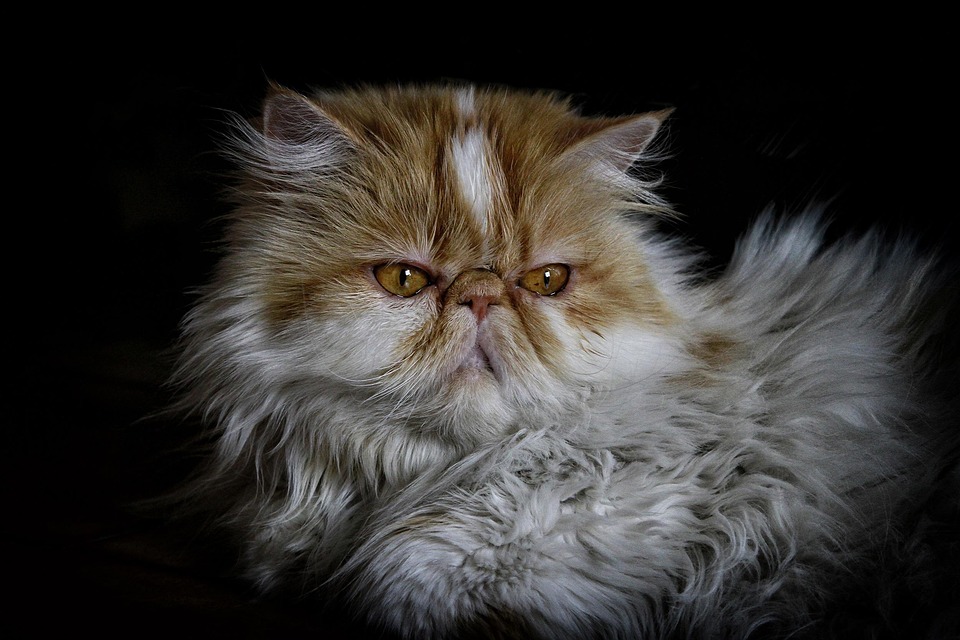
The Persian cat, with its luxurious coat, expressive eyes, and gentle demeanor, is one of the most beloved and recognizable cat breeds in the world. Known for their aristocratic looks and affectionate nature, Persian cats have been adored by cat enthusiasts for centuries. This ultimate guide delves into the history, characteristics, care tips, and unique features of the Persian cat, providing a comprehensive look at this elegant breed.
History and Origins
The Persian cat boasts a rich history that traces back to ancient times. Although the exact origins of the breed are somewhat shrouded in mystery, it is widely believed that Persian cats originated in the region that is now Iran, historically known as Persia. The breed was introduced to Europe in the 1600s when Italian traveler Pietro Della Valle brought these long-haired beauties from Persia to the Western world.
Over the years, Persian cats have been selectively bred for their distinctive features and gentle temperament. Their popularity soared in the 19th century when they were favored by the British aristocracy and eventually made their way to America, where they continue to be one of the most sought-after breeds.
Physical Characteristics
Persian cats are renowned for their distinctive appearance. They have a sturdy, medium to large-sized body with a broad chest and short, strong legs. Their most striking feature is their long, flowing coat, which comes in a myriad of colors and patterns, including solid, tabby, bicolor, and pointed varieties.
The Persian’s face is another defining characteristic. They have a round head, a flat, short nose, and large, round eyes that give them a sweet and expressive look. Their small, rounded ears are set wide apart, contributing to their unique and endearing appearance.
Personality and Temperament
Persian cats are known for their calm and gentle temperament. They are often described as affectionate, loving, and sociable. Persian cats enjoy being pampered and are content to spend their days lounging in comfortable spots around the house. Despite their regal appearance, they are known for their friendly and tolerant nature, making them excellent companions for families and individuals alike.
While Persian cats enjoy playtime, they are typically less active than other breeds. They prefer a serene environment and can be sensitive to loud noises or sudden changes in their surroundings. Their laid-back personality makes them well-suited for indoor living.
Grooming and Care
One of the most significant aspects of caring for a Persian cat is maintaining their beautiful coat. Their long fur requires regular grooming to prevent matting and tangling. It is recommended to brush their coat daily to keep it in pristine condition. Regular baths, every 4 to 6 weeks, can also help maintain the health and shine of their fur.
In addition to coat care, Persian cats require routine eye cleaning due to their flat facial structure, which can lead to tear staining. Dental hygiene is also crucial, as Persian cats are prone to dental issues. Regular check-ups with a veterinarian and a balanced diet are essential to ensure their overall health and well-being.
Health Considerations
Like all breeds, Persian cats have specific health considerations to be aware of. One of the primary health concerns for Persians is brachycephalic airway syndrome due to their flat face, which can cause breathing difficulties. It is essential to monitor their breathing and consult a veterinarian if any issues arise.
Persian cats are also prone to polycystic kidney disease (PKD), a genetic condition that can lead to kidney failure. Responsible breeders often screen for PKD to reduce the risk of passing it on to future generations. Other potential health issues include hypertrophic cardiomyopathy (HCM), dental problems, and obesity.
Diet and Nutrition
A balanced diet is crucial for maintaining the health and vitality of a Persian cat. High-quality cat food that provides all essential nutrients is recommended. Persians can be prone to obesity, so it’s important to monitor their food intake and provide them with appropriate portions.
Including a mix of wet and dry food can help ensure they receive adequate hydration and nutrition. Fresh water should always be available, and treats should be given in moderation to prevent weight gain.
Living Environment
Persian cats thrive in a calm and comfortable indoor environment. Due to their luxurious coat and sensitivity to weather extremes, they are best suited for living indoors. Providing them with soft bedding, scratching posts, and interactive toys can help keep them entertained and content.
While Persian cats enjoy the company of their human family members, they also appreciate having a quiet space where they can retreat and relax. Ensuring a safe and secure environment with minimal stressors will contribute to their overall happiness and well-being.
Training and Socialization
Persian cats are intelligent and can be trained to follow basic commands and use a litter box with ease. Their gentle nature makes them receptive to positive reinforcement training methods, such as treats and praise.
Early socialization is important for Persian kittens to help them adjust to different environments, people, and other pets. Gradual exposure to new experiences will help them develop into well-rounded and confident adult cats.
Conclusion
The Persian cat is a truly elegant breed, cherished for its stunning looks and gentle disposition. With their long, flowing coat and captivating eyes, they bring a touch of grace and beauty to any home. While they require regular grooming and attention to their health, the companionship and affection they offer are well worth the effort.
Whether you’re a long-time cat lover or considering bringing a Persian into your family for the first time, understanding their unique needs and characteristics will help you provide the best care for your feline friend. With the right attention and love, a Persian cat can become a cherished member of your household, offering years of companionship and joy.
#ChatGPT assisted in the creation of this article.


Post Comment