


Optimizing Your Cat’s Feeding Schedule for Health
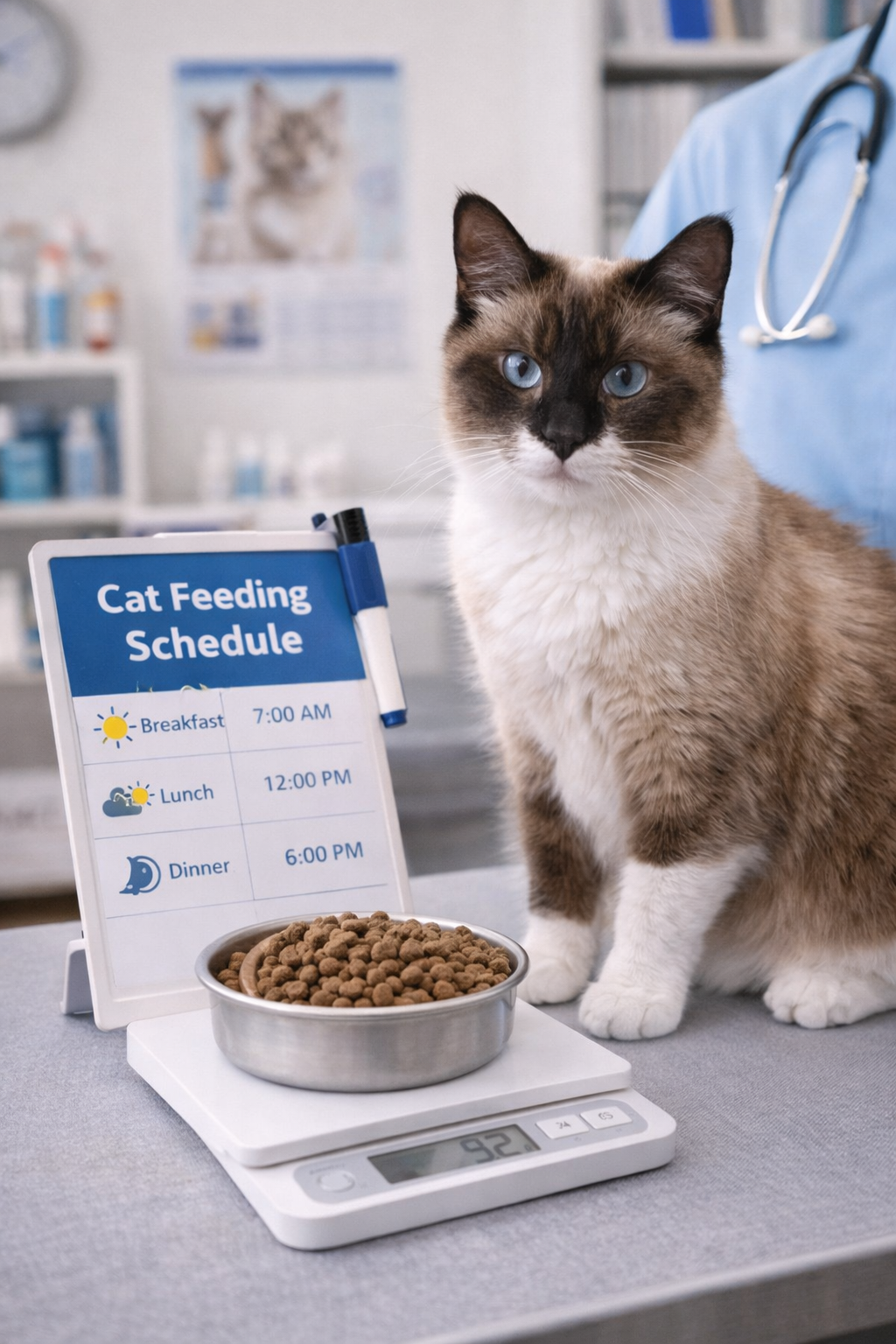
Cats are enigmatic creatures, each with their own personality and preferences. While they may be independent, their dietary needs are not to be taken lightly. A well-structured feeding schedule is crucial for maintaining their health, longevity, and happiness. This article delves into the intricacies of optimizing your cat’s feeding routine to ensure they live a healthy and fulfilling life.
Understanding Your Cat’s Nutritional Needs
Before establishing a feeding schedule, it’s essential to understand the nutritional needs of your feline friend. Cats are obligate carnivores, meaning their diet should primarily consist of meat. Key nutrients include:
Protein
Cats require a high-protein diet to support their muscles, skin, and fur. Protein is also vital for energy production and overall health.
Taurine
An essential amino acid, taurine is crucial for heart function, vision, and reproduction. Unlike other animals, cats cannot produce sufficient taurine on their own, making it a necessary dietary inclusion.
Fats
Fats are a critical energy source for cats and play a role in maintaining healthy skin and fur. Essential fatty acids, like omega-3 and omega-6, are particularly important.
Vitamins and Minerals
Cats need a range of vitamins and minerals, including Vitamin A, Vitamin D, calcium, and phosphorus, to support their overall health.
Determining the Right Feeding Schedule
Cats are creatures of habit, and establishing a consistent feeding schedule is beneficial for their digestive health and emotional well-being. Factors influencing the ideal feeding routine include age, activity level, and health status.
Kittens
Kittens have higher energy needs and should be fed more frequently than adult cats. Typically, four small meals a day are recommended until they reach six months of age.
Adult Cats
For most adult cats, feeding two meals a day—one in the morning and one in the evening—suffices. This schedule aligns with their natural hunting behavior, where they would catch and eat multiple small prey throughout the day.
Senior Cats
As cats age, their metabolism slows down, and they may require fewer calories. However, they still need a nutrient-rich diet to prevent weight loss and muscle deterioration. Smaller, more frequent meals might be beneficial for older cats.
Considerations for Special Dietary Needs
Some cats have specific dietary requirements due to health conditions or lifestyle factors.
Overweight Cats
For overweight cats, portion control and feeding smaller, more frequent meals can help manage weight. A diet high in protein and low in carbohydrates is often recommended.
Underweight Cats
Underweight cats may need calorie-dense foods and free-feeding access to encourage weight gain. Consulting a veterinarian for a tailored plan is advisable.
Health Conditions
Cats with health issues like diabetes or kidney disease may require specialized diets and feeding schedules. Close monitoring and guidance from a vet are crucial in these cases.
Choosing the Right Type of Cat Food
The type of food you choose—dry, wet, or a combination—can significantly impact your cat’s health.
Dry Food
Dry food is convenient and can aid in dental health. However, it may not provide enough moisture, which is crucial for kidney function and urinary tract health.
Wet Food
Wet food is higher in moisture content, helping keep your cat hydrated. It’s often more palatable and can be a better option for picky eaters or those with dental issues.
Combination Feeding
Combining dry and wet food can offer the benefits of both. It ensures your cat gets enough moisture while also enjoying the convenience of dry kibble.
Implementing a Balanced Feeding Routine
Creating a balanced feeding routine involves more than just setting meal times. Consider the following strategies:
Consistent Meal Times
Establishing regular meal times helps regulate your cat’s metabolism and prevent overeating. Stick to a routine to avoid stress and anxiety in your pet.
Portion Control
Measure food portions carefully to prevent obesity. Follow the feeding guidelines on your cat food packaging, adjusting as needed based on your cat’s weight and activity level.
Monitor Weight and Health
Regularly monitor your cat’s weight and overall health. Sudden weight changes or changes in eating habits can indicate underlying health issues.
Common Mistakes to Avoid
When optimizing your cat’s feeding schedule, avoid these common pitfalls:
Overfeeding
Overfeeding can lead to obesity, a common issue in domestic cats. Obesity increases the risk of diabetes, arthritis, and other health problems.
Feeding Inconsistently
Inconsistent feeding times can disrupt your cat’s routine and lead to behavioral issues such as anxiety or aggression.
Ignoring Hydration
Cats are not naturally inclined to drink water, so ensuring they get enough moisture through their diet is vital. Wet food can help, but always provide fresh water.
Conclusion
Optimizing your cat’s feeding schedule is a crucial aspect of their overall health and well-being. By understanding their nutritional needs and creating a consistent, balanced routine, you can help ensure they live a long, healthy, and happy life. Regular veterinary check-ups and adjustments to their diet as needed will further contribute to their health. Remember, every cat is unique, and what works for one may not work for another. Stay attuned to your cat’s needs and preferences, and you’ll be well on your way to providing the best care possible.
#ChatGPT assisted in the creation of this article.


Post Comment