


Essential Cat Training Tips for Happy, Well-Behaved Felines
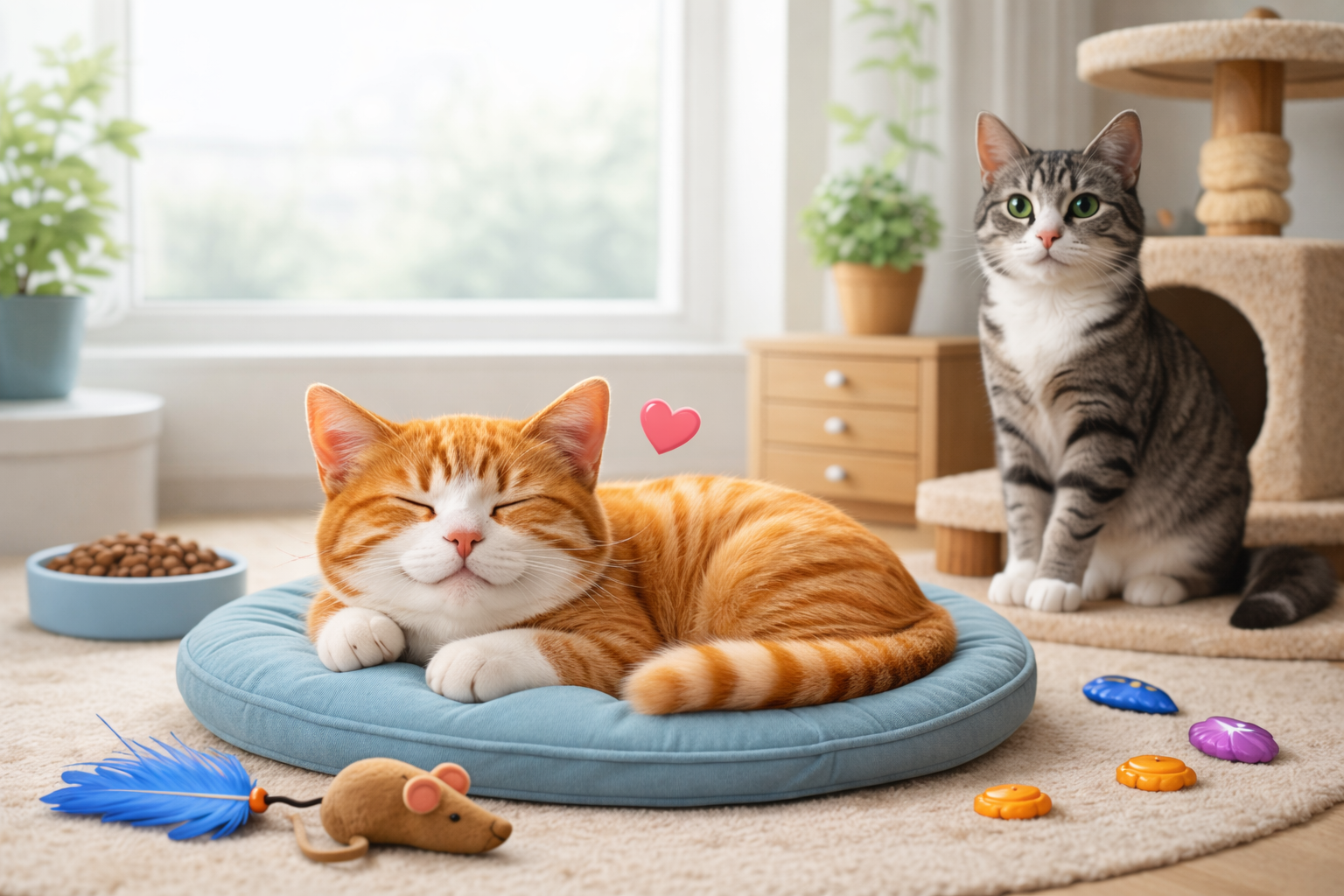
Cats are fascinating creatures with unique personalities, and understanding how to train them can lead to a harmonious household. Unlike dogs, cats often come across as independent and aloof, but they are equally capable of learning and displaying desired behaviors. Training a cat requires patience, consistency, and an understanding of feline psychology. This article explores essential cat training tips to ensure your feline friend is happy and well-behaved.
Understanding Feline Behavior
Before embarking on training, it’s crucial to comprehend why cats behave the way they do. Cats are natural hunters and territorial animals. Their behaviors are often influenced by these instincts. Scratching furniture, for example, is not an act of defiance but a way to sharpen claws and mark territory. Recognizing these innate behaviors can help set realistic training goals.
Positive Reinforcement: The Key to Successful Training
Positive reinforcement is the cornerstone of effective cat training. This method involves rewarding your cat for exhibiting desired behavior. Treats, praise, or playtime can serve as rewards. The key is to provide the reward immediately after the desired behavior to establish a clear connection.
Consistency is Crucial
Consistency in training ensures that your cat understands what is expected. Use the same commands and rewards consistently. If you’re training multiple behaviors, focus on one at a time to avoid confusion. It’s important that everyone in the household follows the same training protocols.
Training Techniques for Common Feline Behaviors
Litter Box Training
Most cats instinctively use a litter box, but there can be exceptions. To encourage proper use, place the litter box in a quiet, accessible location. Keep it clean to prevent disinterest. If your cat has accidents outside the box, consult a veterinarian to rule out medical issues before adjusting training techniques.
Scratching Solutions
To prevent furniture scratching, provide your cat with appropriate outlets like scratching posts or pads. Position these items near furniture they frequently target. Encourage use by rubbing catnip on the posts or dangling toys nearby. Reward your cat when they choose the post over furniture.
Discouraging Biting and Scratching
Play biting and scratching can be addressed through redirection. When your cat nips or scratches, redirect their attention to a toy. Avoid using your hands or feet as play objects, as this encourages rough play. Consistently reward gentle play with treats or affection.
Socialization and Environmental Enrichment
Cats require mental and physical stimulation to prevent boredom, which can lead to behavioral issues. Socialization and environmental enrichment are vital components of a well-behaved cat’s life.
Introducing New People and Pets
Gradual introductions are essential when introducing a cat to new people or animals. Allow your cat to approach at their own pace. Use treats and soothing tones to create positive associations. Patience and calm are crucial during this process.
Providing an Enriched Environment
Enriching your cat’s environment can prevent behavioral problems stemming from boredom. Interactive toys, climbing trees, and puzzle feeders stimulate your cat’s mind and body. Rotate toys regularly to maintain interest and challenge.
The Role of Patience and Understanding
Training a cat is not an overnight process. It requires patience and understanding. Cats may not respond immediately to training efforts, and setbacks are normal. It’s important to remain calm and avoid punishment, as this can damage the trust between you and your cat.
Managing Expectations
Setting realistic expectations is crucial. Cats are not small dogs; their training progresses differently. Celebrate small victories and maintain a positive outlook. Understanding your cat’s individual personality and preferences can guide you in tailoring effective training strategies.
When to Seek Professional Help
If your cat exhibits persistent behavioral issues despite consistent training efforts, it may be time to seek professional help. Certified animal behaviorists or veterinarians can provide insights and strategies tailored to your cat’s specific needs.
Medical Considerations
Sometimes, behavior problems have underlying medical causes. Sudden changes in behavior, such as aggression or litter box avoidance, warrant a veterinary visit to rule out health issues. Addressing medical concerns can be a crucial step in resolving behavioral problems.
Conclusion
Training a cat requires a blend of patience, understanding, and consistency. By employing positive reinforcement, addressing specific behaviors, enriching your cat’s environment, and maintaining realistic expectations, you can foster a happy, well-behaved feline companion. Remember, every cat is unique, and tailoring training methods to suit your cat’s personality is key to success. With time and effort, you and your cat can enjoy a harmonious and fulfilling relationship.
#ChatGPT assisted in the creation of this article.


Post Comment