


Effective Solutions for Cat Separation Anxiety Relief
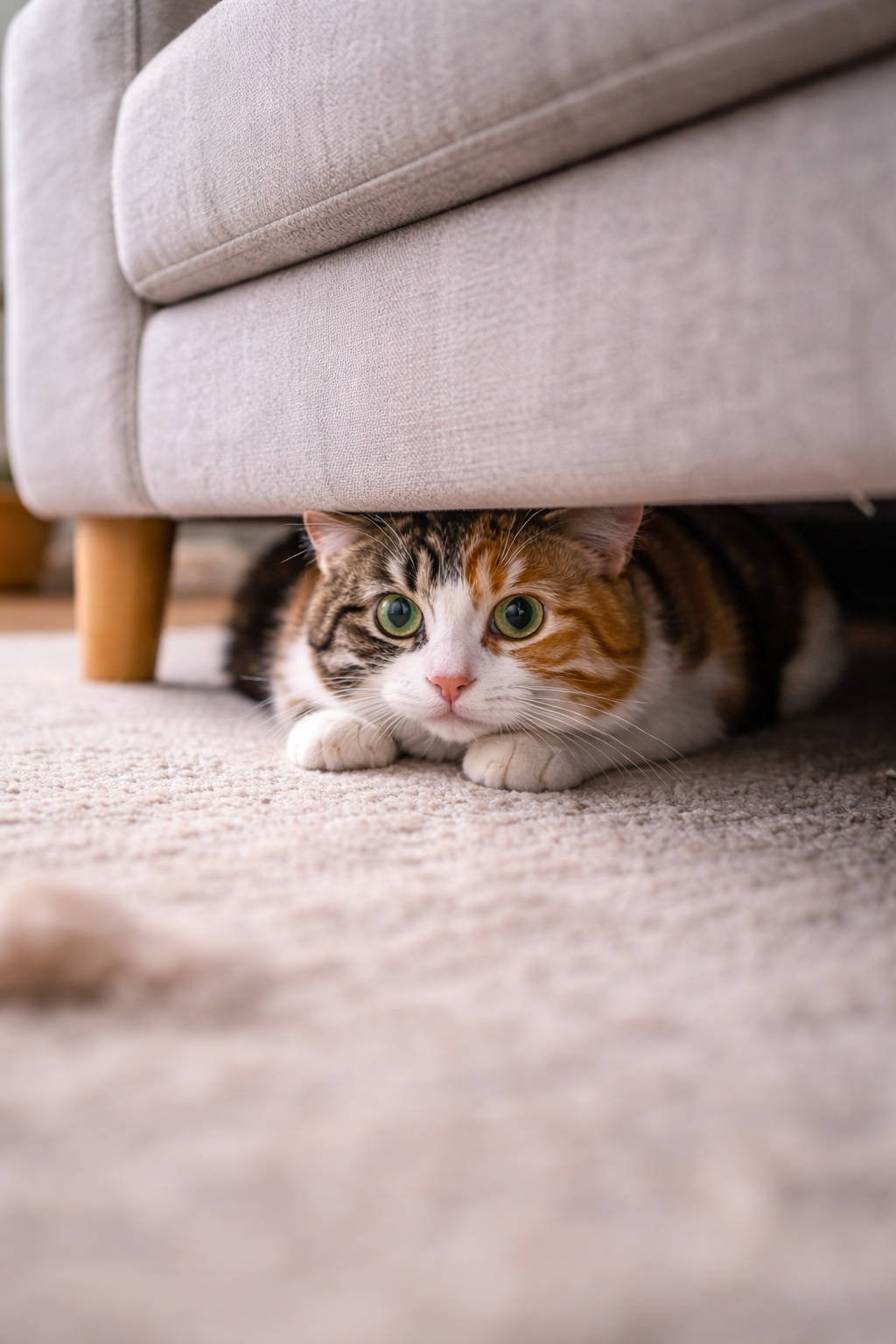
Cats are often perceived as independent creatures, content with solitude and self-reliance. However, contrary to popular belief, many cats form deep attachments to their human companions and may experience separation anxiety when left alone. Understanding this condition is the first step towards finding effective solutions.
Cat separation anxiety manifests in various ways, including excessive vocalization, destructive behavior, inappropriate elimination, and over-grooming. Recognizing these signs early can help in addressing the issue promptly and effectively.
Identifying the Causes of Separation Anxiety
To effectively alleviate cat separation anxiety, it’s crucial to identify the underlying causes. Here are some common factors:
Change in Routine
Cats thrive on routine. Any significant change, such as altered work schedules or moving to a new home, can trigger anxiety.
New Household Members
The introduction of new family members, whether humans or other pets, can disrupt a cat’s sense of security.
Environmental Changes
Modifications in the living environment, like new furniture or a different feeding area, can be unsettling for cats.
Past Trauma
Cats that have experienced abandonment or neglect may be more prone to separation anxiety.
Effective Strategies for Relieving Cat Separation Anxiety
Addressing separation anxiety involves a combination of environmental adjustments, behavioral training, and in some cases, medical intervention. Here are some effective strategies:
Establish a Consistent Routine
Maintaining a consistent daily routine can provide a sense of stability and predictability for your cat. Feed them at the same times each day, engage in regular play sessions, and establish a predictable schedule for departures and arrivals.
Create a Comforting Environment
Ensure your cat has a safe, comfortable space when you’re away. Provide cozy bedding, favorite toys, and access to windows where they can watch the outside world.
Gradual Desensitization
Gradual desensitization involves slowly getting your cat accustomed to your absence. Start by leaving them alone for short periods and gradually increase the duration. Pairing these periods with treats or toys can help create a positive association with your absence.
Interactive Toys and Puzzles
Interactive toys and puzzle feeders can keep your cat mentally stimulated and distracted while you’re away. These toys can alleviate boredom and reduce anxiety by engaging your cat’s natural hunting instincts.
Use of Pheromone Diffusers
Pheromone diffusers, such as Feliway, emit synthetic versions of the calming pheromones that cats naturally produce. These can help reduce stress and create a more relaxing environment for anxious cats.
Behavioral Training
Training your cat to associate your departure with positive experiences can be beneficial. For example, give your cat a special treat or toy that they only receive when you leave, making your departure something they look forward to.
When to Seek Professional Help
In some cases, despite your best efforts, cat separation anxiety may persist. If your cat’s anxiety is severe, consult with a veterinarian or a certified animal behaviorist. They can help determine if there are underlying medical issues or if medication might be necessary to manage the anxiety.
Veterinary Consultation
A veterinarian can rule out medical conditions that might contribute to your cat’s anxiety and may prescribe anti-anxiety medication if deemed appropriate.
Working with a Behaviorist
An animal behaviorist can create a customized behavior modification plan tailored to your cat’s specific needs, helping to address the root causes of their anxiety.
Conclusion
Cat separation anxiety is a common issue that can be distressing for both cats and their human companions. By understanding the causes and implementing effective solutions, you can help your feline friend feel more secure and comfortable when left alone. Remember, patience and consistency are key to successfully alleviating separation anxiety in cats. By providing a stable environment, engaging activities, and positive reinforcement, you can significantly improve your cat’s well-being and strengthen the bond you share with them.
Additional Tips for Managing Cat Separation Anxiety
Here are some additional tips to consider when managing cat separation anxiety:
Regular Exercise
Engaging your cat in regular play sessions can help burn off excess energy, reducing anxiety levels. Use toys that mimic prey, such as feather wands or laser pointers, to stimulate their hunting instincts.
Gradual Departure Rituals
Develop a calm and consistent departure ritual that includes a soothing goodbye to your cat. Avoid making a big fuss, as this can heighten anxiety. Instead, be calm and reassuring.
Monitoring Your Cat’s Progress
Keep track of your cat’s behavior and progress. Note any changes in their anxiety levels and adjust your approach accordingly. Patience is essential, as it may take time for your cat to fully acclimate to being alone.
Providing a View
Cats often enjoy watching the world outside. Consider setting up a perch or window seat where your cat can observe birds, squirrels, or passing cars. This can provide mental stimulation and help alleviate boredom.
The Importance of Patience and Persistence
Dealing with cat separation anxiety requires patience and persistence. Cats are unique individuals, and what works for one may not work for another. Be prepared to experiment with different strategies and combinations until you find what best suits your cat’s needs.
Building a Strong Bond
A strong bond between you and your cat can significantly reduce separation anxiety. Spend quality time with your cat, offering affection, play, and attention. This will help reinforce their sense of security and trust in you.
Conclusion
Cat separation anxiety can be challenging, but with the right approach, you can help your feline companion feel more at ease when you’re not around. By understanding the causes, implementing effective solutions, and seeking professional help when needed, you can create a harmonious environment for both you and your cat. Remember that each cat is unique, so tailor your approach to suit your cat’s individual personality and needs. With patience, consistency, and love, you can help your cat overcome separation anxiety and enjoy a happier, more relaxed life.
#ChatGPT assisted in the creation of this article.


Post Comment