


Optimizing Cat Diets for Kidney Disease Relief
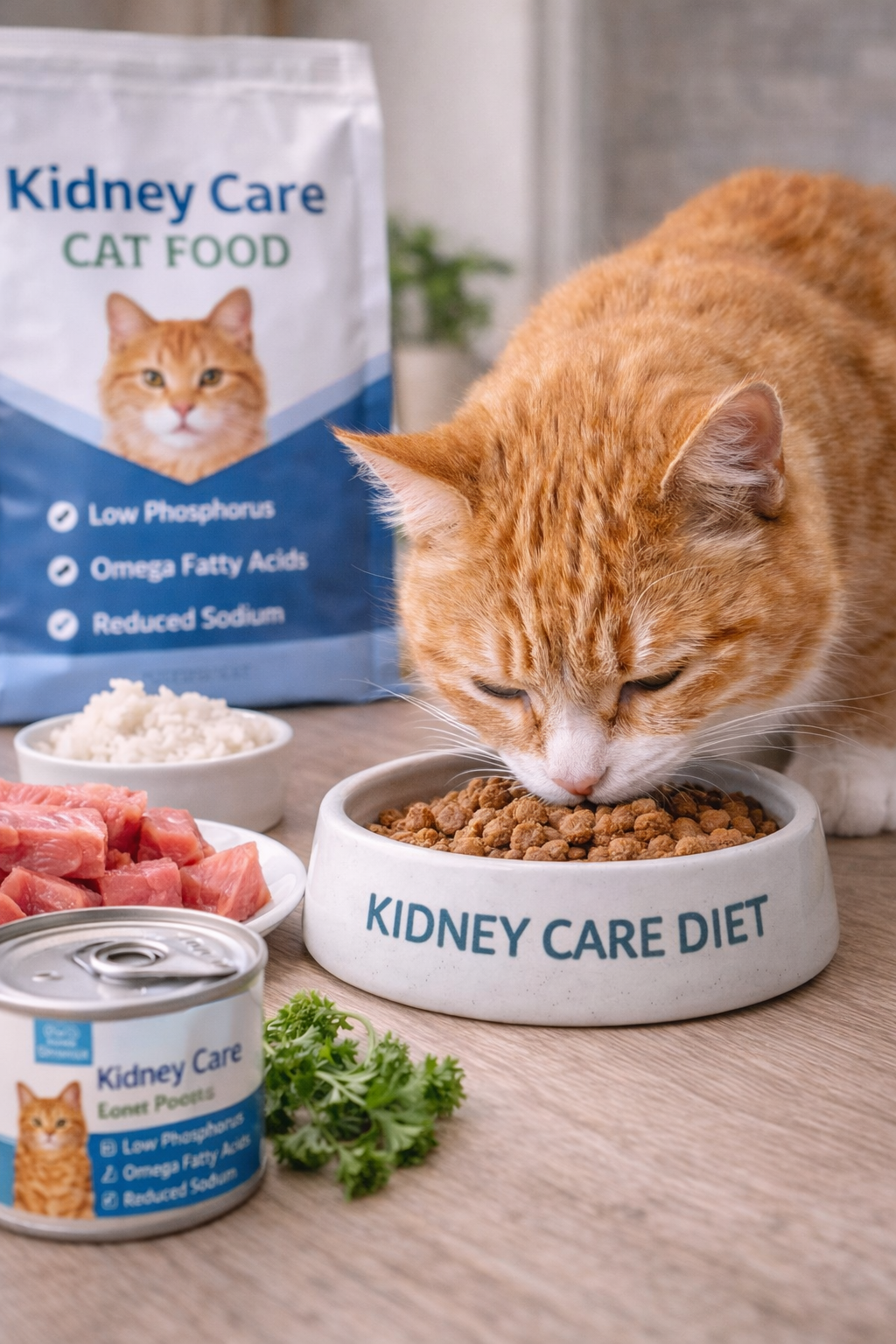
Kidney disease is a common and serious condition in cats, particularly in older ones. It is characterized by the kidneys’ reduced ability to filter waste from the blood, which can lead to a buildup of toxins and subsequent health issues. While there is no cure for chronic kidney disease (CKD) in cats, dietary management plays a crucial role in alleviating symptoms and slowing the progression of the disease. This article explores the importance of optimizing cat diets for kidney disease relief, offering insights into nutritional adjustments and dietary strategies to support feline health.
Understanding Kidney Disease in Cats
Kidney disease in cats is often classified into acute and chronic forms. Acute kidney injury (AKI) occurs suddenly and can be caused by trauma, toxins, or infections. Chronic kidney disease, on the other hand, develops gradually over time and is more common in older cats. CKD can be attributed to various factors, including genetic predisposition, hypertension, and aging.
As the kidneys lose their ability to function properly, waste products and excess minerals accumulate in the bloodstream, leading to symptoms such as increased thirst, frequent urination, weight loss, vomiting, and lethargy. While CKD is progressive and irreversible, dietary management can significantly improve the quality of life for affected cats.
The Role of Diet in Managing Kidney Disease
Nutrition is a cornerstone of managing kidney disease in cats. The primary goals of dietary intervention are to reduce the workload on the kidneys, minimize waste production, and manage symptoms. A well-formulated diet can help control blood pressure, maintain hydration, and reduce the risk of complications associated with CKD.
Protein Management
One of the most critical aspects of a kidney-friendly diet is protein management. While protein is essential for maintaining muscle mass and overall health, excessive protein intake can increase the production of nitrogenous waste, which the kidneys must filter out. Therefore, a diet with moderate protein levels, particularly high-quality protein, is recommended for cats with CKD.
It is essential to strike a balance between providing enough protein to prevent muscle wasting and minimizing protein to reduce kidney workload. Veterinarians often recommend specially formulated renal diets that contain highly digestible proteins to meet these needs.
Phosphorus Restriction
Phosphorus control is another crucial aspect of managing kidney disease in cats. As kidney function declines, phosphorus excretion decreases, leading to elevated blood phosphorus levels. High phosphorus levels can worsen kidney damage and cause additional complications.
Renal diets are typically formulated to have reduced phosphorus levels to help manage this issue. Additionally, phosphate binders can be prescribed to reduce phosphorus absorption from the gastrointestinal tract, further aiding in phosphorus control.
Maintaining Hydration
Dehydration is a common concern in cats with kidney disease, as their ability to concentrate urine decreases. Ensuring adequate hydration is vital to support kidney function and overall health. Encouraging water intake can be achieved by providing fresh water at all times, using water fountains, or offering wet food, which has a higher moisture content than dry kibble.
In some cases, subcutaneous fluid therapy may be necessary to maintain proper hydration levels. This procedure involves administering fluids under the cat’s skin and can be done at home under veterinary guidance.
Controlling Blood Pressure
High blood pressure, or hypertension, is a common complication of kidney disease in cats. A diet low in sodium can help manage blood pressure levels and protect the kidneys from further damage. Specialized renal diets are typically formulated with reduced sodium content to address this issue.
The Importance of Tailored Nutrition
Each cat with kidney disease is unique, and their dietary needs may vary based on the severity of the condition, age, and overall health. Tailoring nutrition to the individual cat is essential to ensure optimal results. Working closely with a veterinarian or a veterinary nutritionist can help develop a personalized diet plan that addresses the specific needs of a cat with CKD.
Commercial Renal Diets
Many pet food manufacturers offer commercial renal diets specifically formulated for cats with kidney disease. These diets are designed to meet the nutritional requirements of CKD cats while addressing key issues such as protein, phosphorus, and sodium levels. They are usually available in both wet and dry formulations, allowing for flexibility in meeting a cat’s preferences and hydration needs.
Home-Prepared Diets
For some cat owners, preparing home-cooked meals may be a preferred option. However, creating a balanced home-prepared diet for a cat with kidney disease can be challenging and should only be done under the guidance of a veterinary nutritionist. These professionals can help formulate a diet that meets all nutritional requirements while accommodating the cat’s specific health needs.
Transitioning to a Kidney-Friendly Diet
Transitioning a cat to a kidney-friendly diet should be done gradually to minimize stress and ensure acceptance. Sudden dietary changes can lead to gastrointestinal upset and food aversion. A gradual transition over 7 to 10 days allows the cat to adjust to the new diet without causing undue stress.
Start by mixing a small amount of the new renal diet with the cat’s current food, gradually increasing the proportion of the new diet while decreasing the old one. Monitoring the cat’s response to the new diet is essential, and any concerns should be discussed with a veterinarian.
Monitoring and Adjusting the Diet
Regular monitoring of a cat’s health and kidney function is crucial when managing kidney disease through diet. Periodic veterinary check-ups, including blood tests and urinalysis, help assess the effectiveness of the dietary plan and determine if any adjustments are needed.
Factors that may necessitate dietary adjustments include changes in kidney function, weight fluctuations, and the development of new symptoms. A collaborative approach between the cat owner and the veterinary team ensures that the dietary plan remains effective and responsive to the cat’s evolving needs.
Conclusion
Optimizing cat diets for kidney disease relief is a multifaceted approach that requires careful consideration of protein, phosphorus, hydration, and blood pressure management. By tailoring nutrition to the individual needs of each cat with CKD, it is possible to alleviate symptoms, slow disease progression, and enhance the quality of life for affected felines.
Collaboration with a veterinarian or veterinary nutritionist is essential to develop a personalized dietary plan that meets the specific requirements of a cat with kidney disease. Through thoughtful dietary management, cat owners can play a vital role in supporting their feline companions in leading healthy and fulfilling lives despite the challenges of kidney disease.
#ChatGPT assisted in the creation of this article.


Post Comment